By Vivid Recruitment
•
September 16, 2026
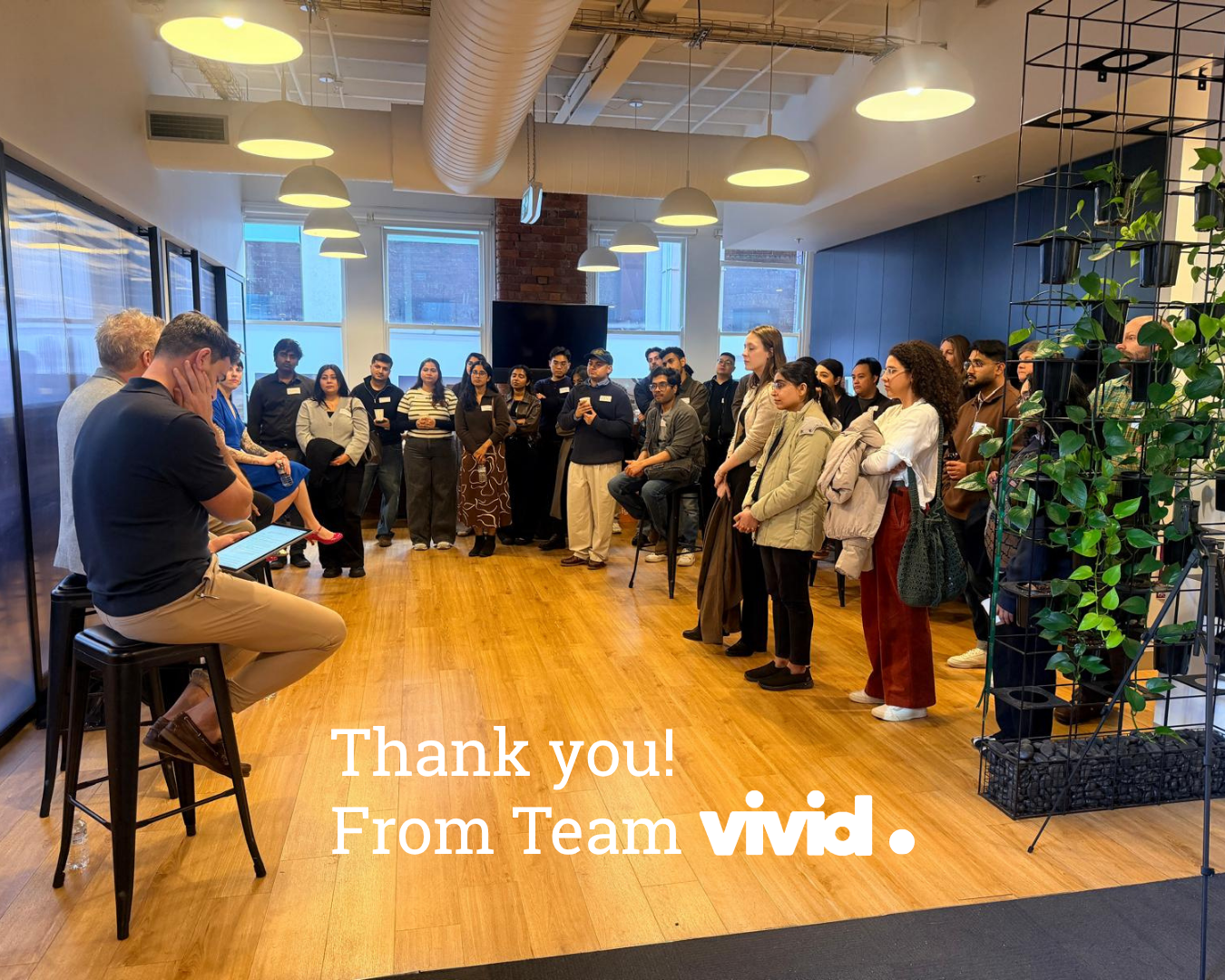
Getting your first architecture job can feel like a bit of a lottery. You finish your degree, put together a CV and portfolio, send off applications and then... silence. So what are architecture practices actually looking for when they hire graduates? What makes a CV worth a second look? How important is technical knowledge? Should you specialise early? And what should you really be doing in those first six months? These were some of the questions discussed at Vivid Recruitment’s Graduate Architecture Careers Panel at MODE Melbourne in September, where we brought together experienced architecture and design professionals to share what they have learnt throughout their careers. There was plenty of good advice. Here are some of the points that stood out. Your CV and portfolio don't need to show everything you've ever done When you're trying to land your first architecture job, it is tempting to put everything into your application. Every university project. Every rendering. Every drawing. Every software package. Every award. More isn't necessarily better. Thihoa Gill , People Lead APAC at Grimshaw , spoke about the sheer volume of applications that can come through for graduate positions. Your CV needs to be clear, easy to read and quickly show what you can bring to a practice. The same goes for your portfolio. Elizabeth Stonehouse , Head of Quality at Cox , pointed out that people reviewing portfolios often make decisions quickly. If the pages are cluttered, the text is too small, or there is simply too much going on, the good work can get lost. Your portfolio should communicate your thinking, not just show the finished product. Show how you approached a project. Show the process. Show your design thinking. Show that you can communicate an idea clearly. And don't feel the need to make every page a hero shot. You don't need to know everything on day one One question that came up during the panel was how much graduates are expected to know about the NCC and Australian Standards. The answer was fairly straightforward: you aren't expected to know everything. What practices want to see is that you understand they exist, why they matter and where you would go to find the information you need. The same principle applies more broadly. You don't need to walk into your first architecture job knowing how to solve every technical problem. You do need to be curious enough to find the answer. Kavan Applegate , Director at Guymer Bailey Architects , talked about the value of being proactive and learning how to find information rather than simply waiting for someone to tell you what to do. That might mean looking through previous project drawings, reading specifications, asking questions or simply taking the time to understand why something has been done a particular way. Being able to find answers is a skill in itself. Your first six months are about learning There can be a strange expectation around graduate jobs that you need to arrive ready to contribute at a high level immediately. You don't. Thihoa spoke about the first six months as a period where graduates are finding their feet, building confidence and learning how a practice actually operates. That means listening. It means asking questions. It means paying attention to conversations happening around you. And, occasionally, it means taking the headphones off. You can learn a huge amount simply by listening to how experienced people speak to clients, consultants, builders and each other. Your first year isn't just about producing drawings. It's about understanding how an architecture practice works. Get some site experience If you want to be a designer, you might think technical knowledge and construction experience can wait. The panel had a different view. Understanding how buildings actually go together makes you a better architect and a better designer. Dion Gosling , Director & Melbourne Studio Lead at MODE, shared an example from his own early career, when he followed the construction of a house and documented the process from the slab through to completion. It gave him an understanding of construction that he could take back into his architectural work. You don't necessarily need a full-time job on a construction site to start learning. If you're struggling to get professional experience, find a construction project happening near you. Ask questions. Observe what is happening. Learn how a building goes together. It might even give you something genuinely interesting to talk about in an interview. Don't rush to specialise There is often pressure to decide what sort of architect you want to be early in your career. Health. Residential. Education. Commercial. Interior architecture. BIM. Design. Documentation. The reality is that your first few years are a good time to try things. Kenneth Jimbo , Senior Architect at MODE, spoke about working across different project types throughout his career, from mobile service provider fit-outs through to residential, multi-residential, sport and recreation and health. That breadth helped him work out what interested him. If you already know exactly what you want to specialise in, that's fine too. But don't close the door on opportunities simply because they don't fit the five-year career plan you've written at 23. You might learn something useful from a project you never expected to enjoy. Big practice or small practice? Try both if you can There isn't one perfect practice size for an architecture graduate. A smaller practice can give you exposure to lots of different parts of a project. You may see design, documentation, clients, consultants and construction much earlier. A larger practice can give you the chance to work within bigger teams and develop deeper expertise in particular areas. Dion's advice was simple: if you get the opportunity, experience both. Neither is automatically better. They can simply give you different experiences. The same applies to project types, roles and responsibilities. Don't assume your first job has to be the place you stay forever. Be brave enough to say you don't know One of the strongest messages from the panel was surprisingly simple. Ask for help. Elizabeth spoke about how important mentoring can be and the need to be comfortable admitting when you don't know something. That isn't weakness. You're a graduate. You're supposed to be learning. The people around you will generally get much more value from a graduate who asks a good question than one who spends three hours quietly heading in the wrong direction because they were afraid to ask. The trick is to learn from the answer and, where possible, have a go at finding the next one yourself. Build relationships before you need them One of the best stories from the evening came from Kenneth. Back in 2021, after his employer had cut hours during COVID, he was looking for a new opportunity. He saw a job advertised at the practice where Dion was working. Rather than simply submitting an application online, he got on his bike and went to the office. It was the final day of the job advertisement. He walked in, introduced himself and asked Dion if he had ten minutes. Dion remembered the interaction because Kenneth was calm, clear and confident. There was a human connection that simply doesn't happen when someone is one of hundreds of CVs sitting in an inbox. Kenneth got the opportunity. Years later, they are working together again at MODE. That's a pretty good reminder that architecture is still a people business. Networking doesn't have to mean walking into a room and handing out business cards. It can be as simple as introducing yourself to someone whose work interests you, going to an industry event, connecting with people on LinkedIn or having a conversation with someone you admire. You never know where that relationship might lead. Work out what you're actually good at There is no single version of what makes a good architect. Some people are brilliant designers. Some love technical detailing. Some are excellent with clients. Some are natural project leaders. Some thrive on site. Some are incredibly organised. Some can sit down with a complex problem and work out how to make it happen. Elizabeth made the point that there are many different ways to build a career in architecture. So rather than trying to convince everyone that you're good at everything, start paying attention to what you naturally enjoy and where you add value. At the same time, don't use your strengths as an excuse to avoid things you're not good at. Kenneth spoke about deliberately learning the parts of the job he initially found difficult. Once those skills became easier, he could spend more time developing the areas where he was strongest. That's a much more useful approach to career development than simply waiting for someone else to tell you what your career should look like. Registration matters, but don't let it become the whole point For architecture graduates in Australia, registration is obviously an important part of the journey. But the panel was consistent on one thing: don't rush it at the expense of actually learning your profession. Registration can take longer than you expect. That's okay. The experience you gain along the way matters. Understanding contracts, clients, consultants, documentation, construction and the wider responsibilities of an architect all contribute to becoming a well-rounded professional. Keep moving towards registration, but don't forget to look at what you're learning along the way. The biggest piece of advice? Be curious. There was a lot covered during the panel, but curiosity came up again and again. Ask why. Ask how. Look at the drawings. Read the specification. Go to site. Listen to conversations. Find out how the project works. Learn the software. Ask someone to explain something. Then go away and have another look yourself. A graduate who genuinely wants to learn can go a long way. Starting your architecture career doesn't need to be perfect Your first architecture job won't necessarily be your dream job. Your first project won't necessarily be your favourite project. You probably won't know exactly where your career is heading. That's normal. The goal is to get through the door, learn as much as you can, build good relationships and work out what you're good at and what you enjoy. And if you're currently applying for graduate architecture jobs and getting nowhere, don't take the lack of a response as a verdict on your career. The Melbourne market has been challenging for graduates, and competition for entry-level opportunities is real. That doesn't mean there aren't opportunities. It means you may need to approach the job search differently. Talk to people. Go to industry events. Ask questions. Get your portfolio reviewed. Keep learning. Put yourself in places where people can actually meet you. That's why Vivid put this panel together in the first place. We're recruiters, but we're also people who have spent years talking to practices and candidates about what makes careers work. We can't create a job for everyone. We can, however, help graduates understand the industry, make better connections and put their best foot forward. And sometimes, that's where it starts. Looking for your first architecture role? Vivid Recruitment works with architecture, interior design , engineering , planning and pre-construction businesses across Australia. Good roles with good businesses. Clear and Simple. [ Visit Vivid Recruitment to see our current opportunities. ] Watch the full Panel Discussion below...