Architecture Recruitment in 2027: What Are Australian Firms Really Looking For?
The short answer
As 2027 nudges closer, Australian architecture firms are looking beyond impressive portfolios and job titles. They want people who can genuinely deliver projects, with strong documentation and BIM capability, solid project experience and the ability to communicate confidently with clients and consultants.
At the same time, firms are becoming more considered about when and how they hire. Project pipelines, regional market conditions and the growing importance of flexibility are all influencing recruitment decisions.
For architecture practices, the message is fairly simple: know exactly what you need, understand what the market can realistically provide and make sure your offer gives good people a reason to choose you.
The role of the recruiter is changing too. Increasingly, firms need a specialist who can provide market intelligence, realistic salary benchmarking, insight into talent availability and advice on whether a permanent, contract or alternative recruitment approach makes the most sense.
That's what we're seeing across the Australian architecture market as we look towards 2027.
Delivery over dazzle
This is probably the biggest shift we're seeing.
A good portfolio still matters. A strong interview still matters. Experience and design ability obviously matter.
But firms are becoming much more focused on what happens after the interview.
- Can this person actually deliver a project?
- Can they produce and coordinate documentation?
- Are they confident working in a BIM environment?
- Do they understand what happens as a project moves towards construction?
- Can they communicate with clients and consultants and hold their own in those conversations?
There is a genuine concern among some practices about hiring someone who interviews beautifully, has an impressive portfolio and looks great on paper, only to discover that they can't actually get a job through to construction issue.
That is why we're seeing more emphasis on genuine delivery capability.
The conversation is moving away from simply asking, "What projects have you worked on?"
It's becoming more about "What was your role on that project, and what did you actually deliver?"
That's an important distinction.
Documentation and BIM capability matter
Design experience will always be important in architecture, but the ability to take that design thinking and turn it into a well-documented, coordinated and deliverable project is carrying real weight.
Strong documentation skills and BIM competency continue to be sought after, particularly for practices that need people who can contribute to live projects without requiring significant support to get up to speed.
This isn't about saying every architect needs to be a BIM specialist.
It is about understanding the tools and processes being used within the practice and being able to work effectively within them.
For clients, this means being clear about what they actually need before they start recruiting.
A "Project Architect" in one practice can have a very different role from a "Project Architect" in another. One might be heavily involved in design and client presentations, while another could be responsible for documentation, consultant coordination and delivery.
The title doesn't tell you enough.
The detail does.
Hiring is becoming more cautious
We're also seeing less of the old urgency around recruitment.
That doesn't mean firms aren't hiring. They are.
But rather than automatically rushing to fill a vacancy, more practices are looking at their project pipeline and thinking carefully about what they are likely to need over the next six to twelve months.
That caution makes sense.
Projects get delayed. Feasibilities change. New work can take longer to commence than expected. A practice can be busy one month and suddenly find itself looking at a different pipeline a few months later.
As a result, we're seeing more conversations around building talent pipelines and keeping good people on the radar rather than waiting until a vacancy becomes critical.
Fixed-term and contract appointments are also becoming a more useful option for some practices, particularly where there is a need for additional capability but less certainty around the longer-term pipeline.
For clients, that means the recruitment conversation shouldn't necessarily start with, "We need a permanent person."
It should start with, "What do we actually need, and for how long?"
There isn't one Australian architecture market
This is another area where I think local knowledge makes a real difference.
Brisbane, Melbourne and Sydney are not operating in exactly the same market.
Brisbane is currently running hot, with Queensland's broader economic momentum and the infrastructure and development activity associated with the 2032 Olympics contributing to demand. We're seeing particular interest in experienced Project Architects and people who can step into projects and deliver.
Melbourne is active, but more measured.
Sydney is active too, but we're seeing a different level of caution around project pipelines and hiring decisions.
That regional nuance matters when you're recruiting.
Salary expectations aren't necessarily the same. Candidate availability isn't necessarily the same. The types of projects driving demand aren't necessarily the same.
So a one-size-fits-all recruitment strategy doesn't really work anymore.
If you're hiring in Brisbane, you need someone who understands Brisbane. If you're hiring in Melbourne, you need someone who understands Melbourne.
It sounds obvious, but it is surprisingly easy to lose sight of when recruitment becomes a numbers game.
Flexibility is now part of the offer
Salary is still important. Nobody is suggesting otherwise.
But it is increasingly only one part of the conversation.
When I'm talking to candidates, work-life balance, flexibility, culture, leadership and the type of work they're going to be doing are regularly part of the decision.
For some people, salary will still be the deciding factor. For others, a better working arrangement or the opportunity to work on the right projects can be just as important.
The smarter practices are recognising that.
If you're struggling to attract good people, simply increasing the salary isn't always the answer.
Sometimes the question should be:
What else are we offering?
And equally, what are we asking people to give up to come and work for us?
That's an important conversation for employers to have as we head into 2027.
What do architecture firms actually want from a recruiter?
This is probably the question I would encourage clients to ask when choosing a recruitment partner.
Because I don't think most architecture practices need another person sending them CVs.
They need someone who understands the sector.
- Someone who knows the difference between a good portfolio and genuine project experience.
- Someone who understands salary expectations and can benchmark a role against the current market.
- Someone who can tell them when a particular skill set is difficult to find.
- Someone who is responsive.
And, importantly, someone who is prepared to tell them when their brief isn't realistic.
That last one is important.
A good recruiter shouldn't just agree with everything a client asks for. If the combination of salary, experience, software capability, project sector and location makes a role incredibly difficult to fill, the client needs to know that before they spend weeks looking for someone who doesn't exist.
That's where market intelligence becomes valuable.
Recruitment is becoming more of an advisory relationship
I think this is where recruitment is heading.
The best client relationships are becoming less transactional and more advisory.
The value isn't simply in finding a candidate. It's in understanding the market well enough to help a client make a better hiring decision.
- Is the salary competitive?
- Is the level of experience realistic?
- Is that skill set actually available in this location?
- Would a contract appointment make more sense?
- Should the role be structured differently?
- Are candidates going to be attracted to what we're offering?
These are conversations that should happen before the job advertisement goes live, not after three weeks of getting nowhere.
A specialist recruiter should be able to bring that information to the table.
So, what should architecture firms be thinking about for 2027?
I don't think 2027 is going to be about one big recruitment trend.
It is going to be about being more considered.
Firms will still need good architects, designers and project professionals. But they are likely to be more selective about who they bring into the business and more conscious of how that person fits into their actual project pipeline.
Candidates will continue to look beyond salary.
Regional differences will continue to matter.
Technical and delivery capability will continue to carry weight.
And firms that understand what they need, move quickly when the right person becomes available and offer something that candidates genuinely value will put themselves in a much stronger position.
For me, the biggest change is simple.
Recruitment is no longer just about filling a vacancy. It's about understanding the market well enough to make the right hiring decision.
That's what we try to bring to our client relationships at Vivid.
We work exclusively across Architecture, Interior Design, Planning and Engineering, so our conversations aren't based on what we've found on a job board that morning. They're based on the people we're speaking to, the practices we're working with and what we're seeing across the market.
If you're thinking about your architecture hiring for the remainder of 2026 or planning ahead for 2027, we're always happy to have a conversation about what we're seeing.
No hard sell. Just an honest conversation about the market and what is likely to work.
About the Author
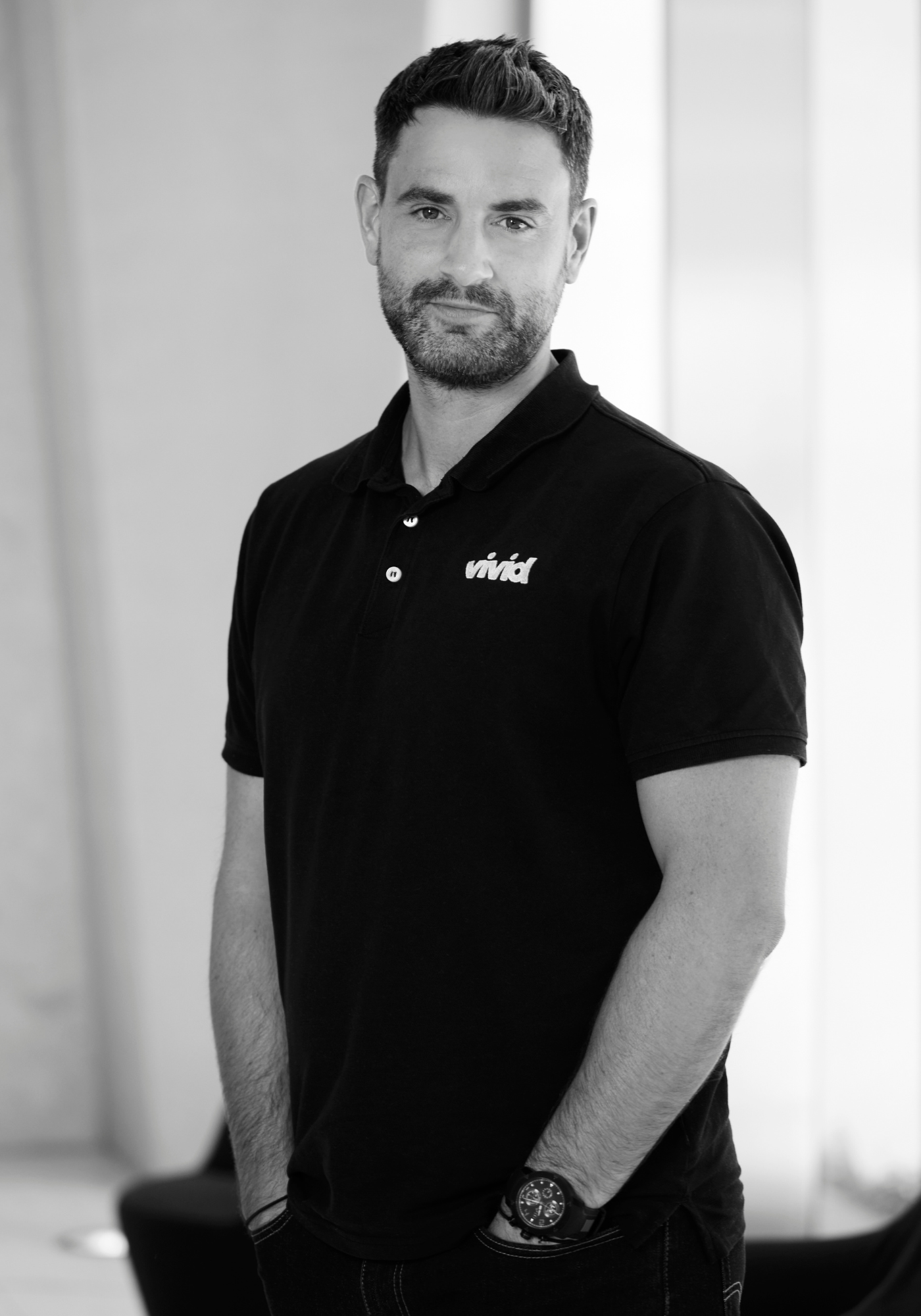
Lee Stevens, Director
Lee has over 15 years’ experience across Architecture, Design, and Planning, working with boutique studios through to global consultancies. He’s built his network on straight-talking advice and long-term relationships, not sales tactics.
Originally from the UK, Lee moved to Melbourne in 2014 and now balances recruitment with family life, coaching football, and keeping up with his kids and their very energetic cocker spaniel.
Contact Lee
Want to discuss your next role?
Contact Lee Stevens, Principal Recruitment Consultant, Architecture & Design -
You can also connect with Lee on LinkedIn or follow the Vivid Recruitment LinkedIn page for more industry insights, news, jobs and general chit chat and tips!