Brisbane Engineering Talent Shortage: Why Retaining Engineers Will Matter as Much as Hiring Them

About the Author
Nick Koop, Director
With more than 11+ years of recruitment experience, Nick specialises in engineering recruitment across Australia. He has built strong relationships with everyone from boutique consultancies and start-ups through to global engineering firms, earning a reputation for honesty, transparency and doing what he says he'll do.
Born and bred in Melbourne, Nick spends most weekends watching sport, chasing after his young kids, Louey and Odie, or finding an excuse to support a local pub with a well-earned pint.
Contact Nick
Want to discuss your next engineering hire? Give Nick a buzz or drop him a line via:
📧 nick@vividrecruitment.com.au
You can also connect with Nick on LinkedIn or follow the Vivid Recruitment LinkedIn page for more industry insights, news, jobs and general chit chat and tips!
Brisbane's engineering market is growing, but the talent pool isn't growing at the same pace. With a $119.2 billion Queensland infrastructure programme, continued development and the Brisbane 2032 Olympic and Paralympic Games ahead, engineering businesses need to think beyond recruitment. Retaining experienced engineers, developing their teams and creating clear career pathways will be just as important as attracting new talent.
Brisbane is busy.
Spend time speaking with engineering consultancies, candidates and people working across the Built Environment, and the message is consistent: there is a significant amount of work coming through Queensland, and businesses need people to deliver it.
The interesting question is what happens next.
Because while the project pipeline continues to grow, the engineering talent pool remains finite.
That creates a challenge for Brisbane's engineering consultancies. Everyone can compete for talent, but everyone cannot hire the same people.
And that means recruitment is only part of the workforce strategy.
Retention is becoming just as important as attraction.
Why is there an engineering talent shortage in Brisbane?
Queensland's infrastructure pipeline is substantial.
The Queensland Government's 2026–27 Budget includes a $119.2 billion capital programme over four years to 2029–30, covering investment across transport, health, education, energy, water and other major infrastructure.
That investment will require significant engineering capability to design, manage and deliver the projects involved.
Then there is Brisbane 2032.
With six years until the Olympic and Paralympic Games, there is an enormous amount of infrastructure and development activity to plan and deliver.
But it would be a mistake to view Brisbane's engineering demand purely through the Olympic lens.
Queensland has broader infrastructure, energy, transport, health, commercial and development requirements that will continue well beyond 2032.
The question isn't whether there will be enough work.
The question is whether there will be enough experienced people to deliver it.
Brisbane's engineering talent pool isn't unlimited
Queensland's engineering workforce has already grown significantly.
Engineers Australia's analysis of Census data shows that the number of people working in engineering occupations in Queensland increased from 28,525 in 2011 to 42,071 in 2021, an increase of approximately 47%.
That is substantial growth.
But demand is continuing to increase.
Nationally, Engineers Australia expects demand for engineers to grow by around 20% over the next decade, while approximately 70,000 engineers are projected to retire over the same period.
And skills shortages are already being felt across the profession.
In Engineers Australia's 2026 industry survey, 44.4% of respondents identified skills shortages and workforce gaps as the profession's biggest concern, ahead of workforce burnout and workload, funding pressures and project complexity.
For Brisbane businesses, that means the competition for experienced talent is unlikely to disappear simply because more people enter the profession.
The most experienced engineers remain a finite resource.
You can't create ten years of experience because a project needs it.
And you can't recruit your way out of a shortage if every consultancy is trying to hire from the same pool.
Everyone is looking for the same people
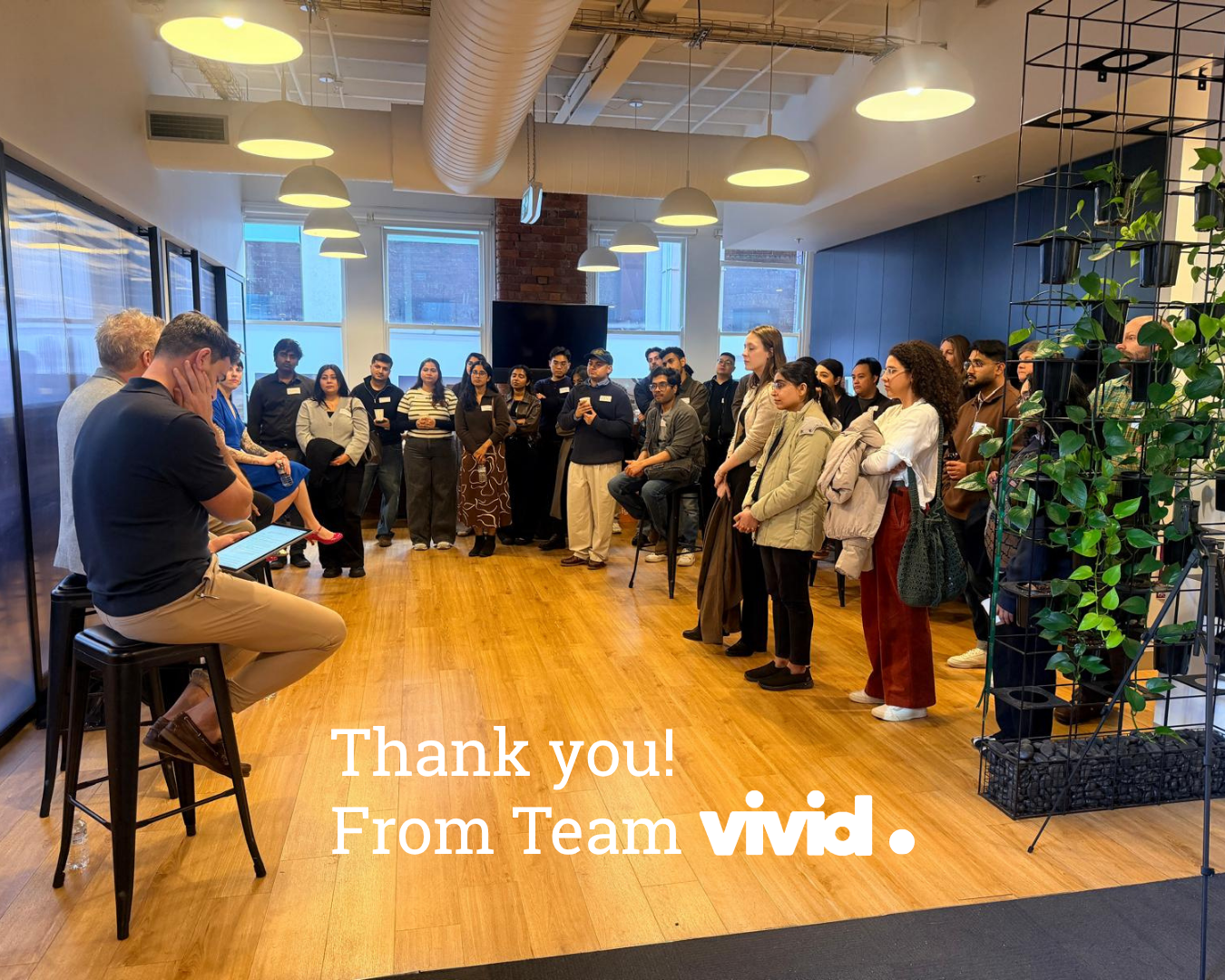
This is one of the clearest observations from my recent trip to Brisbane.
The message from engineering businesses was remarkably consistent:
“We need people.”
That's understandable.
The project pipeline is growing. Teams are busy. Businesses are winning work and need the capability to deliver it.
But if every consultancy is looking for experienced civil, structural, electrical, mechanical and other engineering professionals, the market quickly becomes competitive.
One business's recruitment problem can become another business's retention problem.
The engineer you are trying to attract may already be employed by a competitor.
And the engineer your competitor is trying to attract may be one of your strongest people.
This is why the conversation needs to move beyond attraction.
What we're hearing from candidates in Brisbane
During my Brisbane trip, I met with clients and candidates across the market.
Two candidate conversations particularly stood out.
Both candidates were working for good businesses.
Neither conversation was simply about wanting more money.
One candidate was becoming frustrated with the direction of their organisation and the impact that was having on their team.
- As people left, the team changed.
- As the team changed, the culture changed.
- And as that happened, the candidate began considering whether there was a better fit elsewhere.
The other candidate had expected to progress in their career but hadn't received the promotion they anticipated.
The reason wasn't necessarily a lack of performance.
Their team leader was simply flat-out delivering projects.
It's easy to understand how that happens.
When project deadlines are tight and workloads are high, development conversations can move down the priority list.
But candidates don't stop thinking about their careers because their manager is busy.
They keep looking at what comes next.
And eventually, they may find that opportunity somewhere else.
These are individual conversations, not a statistical sample of Brisbane's engineering workforce.
But they highlight something businesses should be thinking about.
People don't always leave because they dislike their employer. Sometimes they leave because they stop seeing a future there.
Your best people don't always leave because of money
Salary will always matter.
Competitive remuneration is an important part of attracting and retaining engineering talent, particularly in a market where experienced candidates have options.
But it isn't the whole story.
People also want to know:
- Where is my career going?
- What can I learn here?
- Is there a pathway to leadership?
- Does my manager know where I want to go?
- Am I working on projects that interest me?
- Do I feel valued by the business?
- Is the team I joined still the team I want to be part of?
- Do I trust the direction of the organisation?
These questions become increasingly important when good people have options.
And that creates an important distinction for employers.
You don't only lose someone when they resign.
You can lose them months earlier when they stop seeing a future with you.
Retention is part of your capacity strategy
For engineering businesses, this isn't just a culture conversation.
It is a delivery conversation.
Winning a major project is only useful if you have the capability to deliver it.
If a consultancy wins more work but loses experienced engineers at the same time, the business can find itself recruiting simply to replace the people it has just lost.
That creates a cycle:
Win work → increase workload → put pressure on teams → development gets pushed aside → people leave → recruit to replace them → repeat.
In a tight market, that cycle becomes expensive.
And the cost isn't limited to recruitment.
When experienced engineers leave, businesses can also lose project knowledge, client relationships, technical capability and leadership experience.
The cost of turnover isn't always visible on a recruitment invoice.
So, what should Brisbane engineering firms be doing?
There isn't one solution.
But there are some straightforward questions worth asking.
1. Do your people know what comes next?
Career progression shouldn't only be discussed when someone asks about a promotion.
Good engineers want to understand what they need to demonstrate to move forward and what opportunities might be available to them.
If the only time someone talks about their career is when they have already decided to leave, the conversation is probably happening too late.
2. Are your team leaders actually able to lead?
A technically strong engineer isn't automatically a strong people leader.
As workloads increase, businesses need to make sure team leaders have the time and support to manage people, not just projects.
A manager who is permanently overloaded may struggle to provide the mentoring, feedback and development their team needs.
3. Are you listening before people leave?
Exit interviews are useful.
But they're too late.
Regular conversations with your team can uncover frustration before it becomes resignation.
That doesn't mean every request can be accommodated.
It means people know they have been heard.
4. Are you developing the team you'll need in 2032?
Six years sounds like a long time.
It isn't.
The graduate joining your business today could be a project engineer or emerging leader by 2032.
The engineer currently stepping into a senior role could be leading a major team.
Businesses need to think about the capability they will require in six years, not just the vacancies they need to fill this month.
5. Don't assume recruitment will solve everything
Recruitment remains an important part of building teams.
There will always be new projects, new roles and new capability requirements.
But when the market is competing for the same experienced engineers, businesses need to look at the entire employee lifecycle.
Attract. Develop. Retain.
Not simply:
Advertise. Recruit. Replace.
Brisbane's engineering market is an opportunity
There is a lot to be positive about.
Queensland's infrastructure programme is significant. Brisbane is continuing to grow, and the 2032 Olympic and Paralympic Games provide an additional focus for infrastructure and development.
Engineers will be critical to all of it.
But the workforce required to deliver that pipeline won't appear overnight.
Engineers Australia continues to identify skills shortages as a major challenge for the profession and has warned that engineering shortages are affecting infrastructure delivery.
For Brisbane engineering businesses, that makes people strategy increasingly important.
The firms that will be best placed to take advantage of the opportunities ahead won't necessarily be the ones with the biggest recruitment budgets.
They will be the ones that understand how to build strong teams, develop their people and retain the experience they already have.
Because when everyone is looking for engineers, keeping the good ones becomes a competitive advantage.
What does this mean for engineering employers?
If you're planning your Brisbane engineering team for the next 12 months, don't only ask:
“Who do we need to hire?”
Ask:
“Who do we need to keep?”
Then ask:
“What will make them want to stay?”
Those questions are becoming just as important.
And with six years until Brisbane 2032, there isn't much value in waiting for the talent market to solve the problem for you.
Brisbane engineering recruitment
Vivid Recruitment works across the Built Environment, connecting engineering businesses with experienced professionals across building services, civil and structural engineering.
Our conversations with clients and candidates give us a direct view of what is happening in the market, from hiring demand and salary expectations to the factors influencing why people move.
If you're building an engineering team in Brisbane, or considering your next career move, we'd be happy to have a conversation.