Good Relationships, Unexpected Opportunities: Why Business Is Still Personal
About the Author
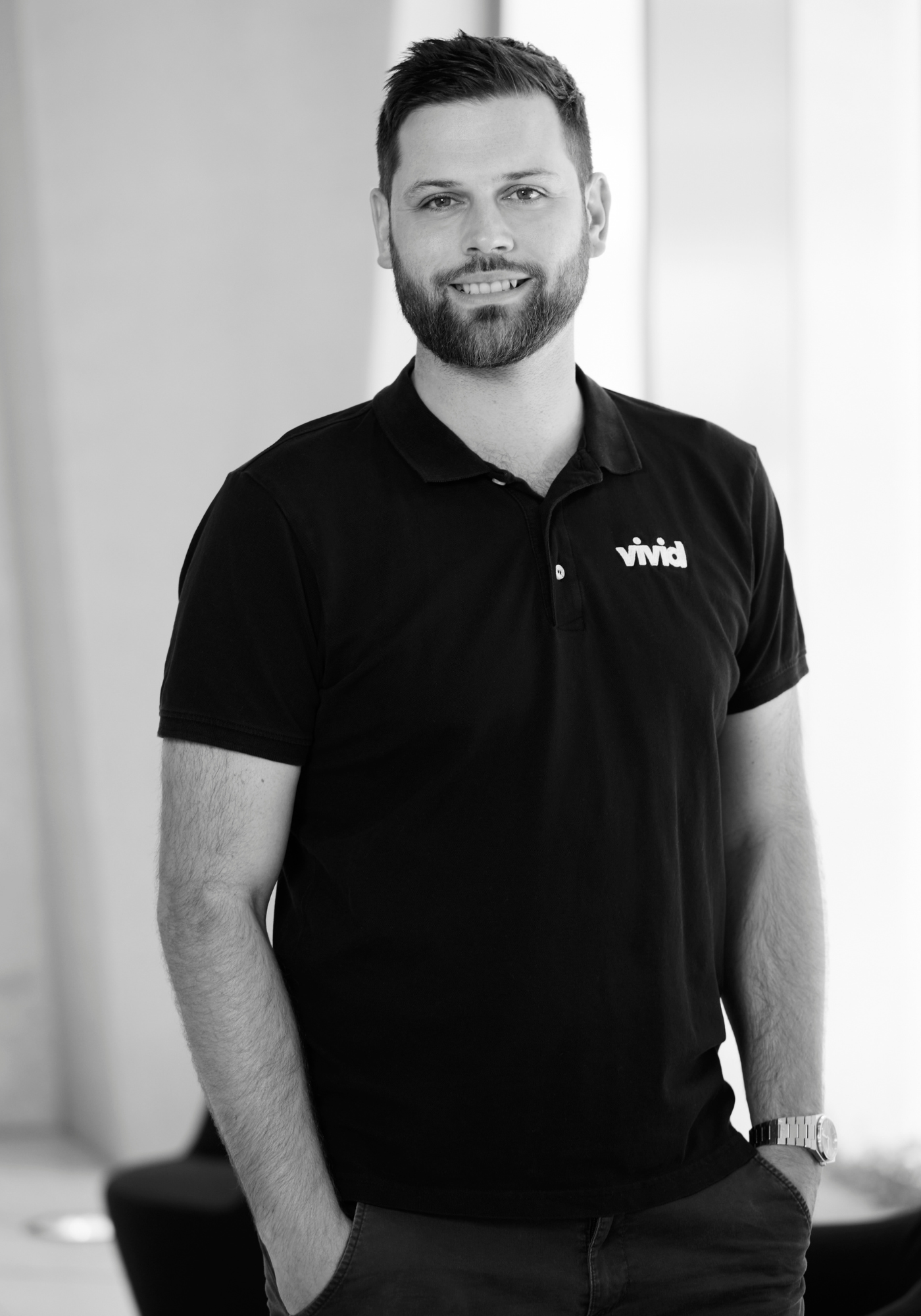
Nick Koop, Director
With more than 11+ years of recruitment experience, Nick specialises in engineering recruitment across Australia. He has built strong relationships with everyone from boutique consultancies and start-ups through to global engineering firms, earning a reputation for honesty, transparency and doing what he says he'll do.
Born and bred in Melbourne, Nick spends most weekends watching sport, chasing after his young kids, Louey and Odie, or finding an excuse to support a local pub with a well-earned pint.
Contact Nick
Want to discuss your next engineering hire? Give Nick a buzz or drop him a line via:
📧 nick@vividrecruitment.com.au
You can also connect with Nick on LinkedIn or follow the Vivid Recruitment LinkedIn page for more industry insights, news, jobs and general chit chat and tips!
Growing a business isn't always about chasing the next project. Sometimes, the opportunity comes from a relationship you built years ago, a conversation in another state, or simply being someone people want to work with.
We talk a lot about business development, winning new work and growing into new markets. But sometimes, the best opportunities come from places you wouldn't necessarily expect.
I was speaking with a client recently who's based in Melbourne and growing their business interstate. They'd just won a substantial project in Queensland, so naturally, I asked how it came about.
The answer was a good reminder of how business actually works.
It started with a relationship with a builder or developer in Melbourne. That led to a project in Adelaide, despite the client not having an office there. From Adelaide, the relationship opened up a connection with the same organisation's Sydney team, which eventually led to the Queensland team and a significant new project.
One relationship had opened the door to another, across different states and teams, ultimately creating an opportunity they couldn't necessarily have mapped out from the beginning.
There's a lesson in that, particularly for consultancies looking to grow.
Your next opportunity might already be in your network
When businesses want to grow, the instinct is often to look outwards. More business development, more introductions, more tenders and more conversations with prospective clients.
There's nothing wrong with that. New relationships are important. But it's easy to overlook the opportunities sitting within the relationships you've already built.
A client you work with in Melbourne might have a major project team in Brisbane. A developer you've worked with for years might introduce you to another business. Someone you've helped on one project might move to a new organisation and bring you into the conversation.
You don't always know where these connections will lead, and that's precisely the point.
For architecture, engineering and planning consultancies looking to expand interstate, this can be particularly valuable. You don't necessarily need to start from scratch in a new market. Sometimes, the relationships you've already established can help you find your feet, understand the local landscape and get in front of people you might not otherwise reach.
Of course, a relationship doesn't guarantee new work. You still need the right expertise, capacity, commercial offering and people to deliver the project. But a trusted introduction can make getting that opportunity a whole lot easier.
Business development isn't just about winning the next job
Good business development doesn't always look like business development.
It can be keeping in touch with a client after a project finishes. Taking the time to understand what their business is doing over the next few years. Introducing two people who might be able to help each other. Or simply picking up the phone when you don't have anything to sell.
These things can seem relatively small at the time. They might not produce an immediate result, and you can't always measure their value in a monthly pipeline report.
But over time, they help build something important: trust.
When a client has confidence in your team, understands what you can do and knows you're good to work with, they're more likely to think of you when another opportunity comes along.
That doesn't mean sitting back and waiting for the phone to ring. Relationships need attention. You still need to have conversations, understand where your clients are heading and make sure your business can deliver what they need.
The difference is that you're building a relationship that can lead to more than one transaction.
And what about AI?
There's a lot of conversation about AI and how it's changing the way we work. It can help businesses research markets, improve efficiency, analyse information and take some of the repetitive work off people's plates.
Those are useful things. There's no point ignoring technology or pretending it won't change how professional services operate.
But there's another side to the conversation.
It still takes emotional intelligence to understand what a client really needs, rather than just what they've asked for. It takes critical thinking to recognise when an opportunity is worth pursuing, when a proposed solution doesn't quite stack up, or when the right decision isn't the most obvious one.
And it takes human connection to build the sort of trust that makes someone comfortable recommending your business to a colleague in another state.
You can use technology to help identify a potential client or prepare for a meeting. But turning that first conversation into a lasting relationship is a different job altogether.
In recruitment, we see this every day. Understanding what a business needs from its next hire involves more than matching a job description to a CV. It's about understanding the team, the culture, the challenges the business is facing and the person who will actually thrive in that environment.
The same principle applies to business development. Information is useful, but knowing what to do with it, how to approach people and how to build trust still matters.
I'd be reluctant to underestimate the value of those skills, regardless of how quickly technology advances.
Are you making enough of the relationships you already have?
If you're looking to grow your consultancy, win work in another state or build a stronger client base, it's worth taking a look at the relationships you've already established.
Who are your existing clients connected to? Are there other teams or offices within those organisations you could be working with? Do your clients know the full extent of your capabilities? And are you staying in touch when there's no immediate project on the table?
These aren't complicated questions, but they're worth asking.
Growth doesn't always come from doing more. Sometimes, it comes from recognising the potential in what you've already built.
That conversation with my client was a good reminder of just how far a relationship can travel. Melbourne to Adelaide, Adelaide to Sydney, and eventually Queensland. No elaborate plan that mapped out every step. Just a relationship that developed, connections that followed and a business that was in a position to take the opportunity when it came along.
You never quite know where a good relationship will lead. Sometimes, the best business development strategy is simply being good to work with.
And that's something worth remembering, with or without AI.
Frequently asked questions
Why are relationships important in professional services?
Strong relationships help businesses build trust, earn repeat work and gain introductions to new clients. In professional services, where projects often involve significant investment and collaboration, confidence in the people delivering the work can be just as important as technical capability.
How can architecture and engineering consultancies win work interstate?
Building on existing client relationships is one avenue. Businesses can explore connections across their clients' offices and project teams, develop local networks and demonstrate that they have the expertise and capacity to deliver. Trusted introductions can help open doors in unfamiliar markets, although success still depends on the right project fit and delivery capability.
Can AI replace relationship-led business development?
AI can support research, communication and the identification of potential opportunities. However, building trust, understanding a client's priorities and developing long-term professional relationships also require human judgement, empathy and communication. Technology can support these activities without replacing the value of genuine relationships.
How can consultancies build stronger client relationships?
Stay in touch beyond active projects, take an interest in clients' future plans, communicate honestly and follow through on commitments. Understanding a client's wider business and making useful connections where appropriate can help build relationships that extend beyond a single project.