Brisbane Is Busy. So Why Isn’t Everyone Winning Work?
About the Author
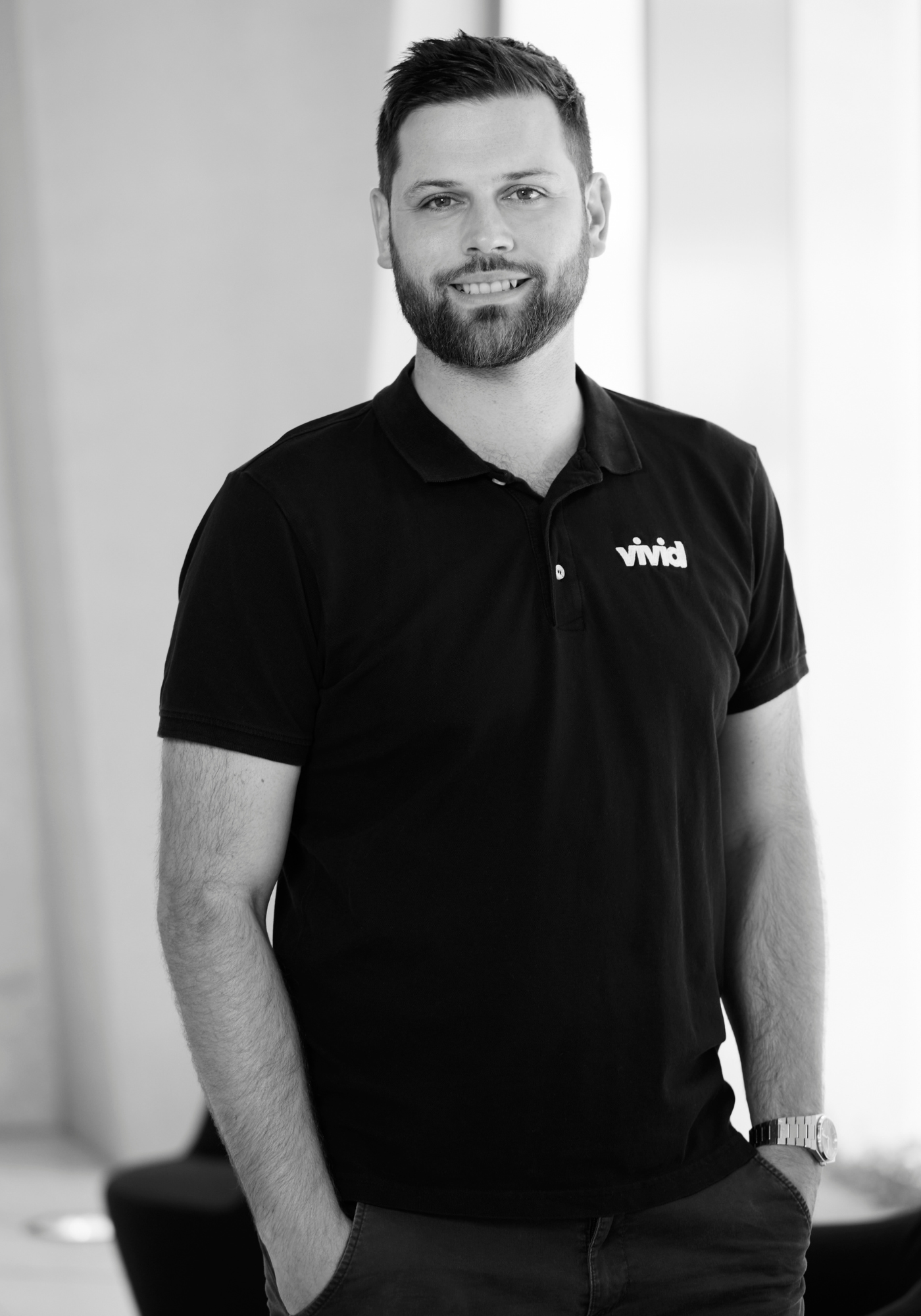
Nick Koop, Director
With more than 11+ years of recruitment experience, Nick specialises in engineering recruitment across Australia. He has built strong relationships with everyone from boutique consultancies and start-ups through to global engineering firms, earning a reputation for honesty, transparency and doing what he says he'll do.
Born and bred in Melbourne, Nick spends most weekends watching sport, chasing after his young kids, Louey and Odie, or finding an excuse to support a local pub with a well-earned pint.
Contact Nick
Want to discuss your next engineering hire? Give Nick a buzz or drop him a line via:
📧 nick@vividrecruitment.com.au
You can also connect with Nick on LinkedIn or follow the Vivid Recruitment LinkedIn page for more industry insights, news, jobs and general chit chat and tips!
Brisbane’s engineering market is busy, but that doesn’t mean every consultancy is winning the work they want. Conversations with engineering businesses across Brisbane suggest that having the technical capability to deliver projects is only part of the equation. You also need the right people to build relationships, identify opportunities and win the work in the first place.
Brisbane is busy.
There’s major infrastructure, health, Olympic-related work and plenty happening across the wider construction and development market.
But having a busy market doesn’t automatically mean every engineering consultancy is flat out.
I have been having a few conversations with engineering businesses in Brisbane recently, and the picture is interesting.
Some businesses are finding themselves a little light on work, particularly at the smaller end of the market.
Others are turning smaller projects away because they already have more work than they can comfortably take on.
So what’s going on?
It’s a good reminder that the amount of work in a market is only part of the story.
Being able to do the work isn't the same as winning it
Most engineering consultancies are pretty good at what they do.
They have experienced engineers. They have technical knowledge. They have people who can manage projects and get the job out the door.
But that doesn’t necessarily mean they have the people who can go out and win the next project.
That takes a different set of skills.
You need people who are comfortable picking up the phone and talking to clients. People who know how to build relationships over time. People who understand what a client is looking for and can put the right proposal together.
And you need people who can actually go after the work.
That might sit with a Business Development Manager. It might be a BID Manager. It might be a senior engineer or director who has developed a strong network and knows how to turn those relationships into opportunities.
However the role is structured, the point is the same.
The people delivering the work and the people bringing the work in are not always the same people.
BD and BID aren't just support functions
It’s easy to focus recruitment around the people you need to deliver your current workload.
If you’re busy, you hire engineers.
If you’ve won a big project, you hire the people needed to deliver it.
Makes sense.
But what about the people responsible for what comes after that project?
Good BD and BID people can have a huge impact on a consultancy, particularly when the market starts to change.
They know the clients. They know the market. They keep conversations going when there isn’t an immediate project to chase. They understand how to position the business and, importantly, they know how to ask for the work.
That doesn’t mean every consultancy needs a large BD team.
It means you need to be honest about where your next projects are supposed to come from.
If the answer is mostly “referrals”, “existing clients” or “hopefully something comes through”, it might be worth looking at who is actually responsible for making that happen.
Brisbane doesn't mean work will just land in your lap
There’s a tendency to look at Brisbane right now and think that there’s plenty of work around, so winning work shouldn't be a problem.
But the conversations I have been having suggest it isn't quite that simple.
Some consultancies are doing extremely well.
Some are seeing strong demand for major projects but less activity in other areas.
And some are finding that they need to work harder to bring the right opportunities through the door.
That’s normal in any market.
The difference is that when the market is busy, it can be easy to miss the gaps in your own business.
You might have a fantastic technical team, but nobody really focused on bringing in new clients.
You might have strong client relationships but nobody putting together compelling bids.
Or you might have people doing both, but they’re already stretched too thin to do either particularly well.
What does your team need for 2027?
This is probably the more useful question for engineering consultancies to be asking now.
Not simply:
“Who do we need to hire?”
But:
“What do we need our team to be able to do?”
There’s a difference.
- Maybe you need another senior engineer.
- Maybe you need someone with strong client relationships.
- Maybe your BID function needs strengthening.
- Maybe you have plenty of technical capability but need someone who can spend more time developing new business.
- Or maybe the team is actually fine, and the issue sits somewhere else entirely.
That’s where looking at the structure of your team, rather than just the next vacancy, can be useful.
That's where Vivid can help
Recruitment isn’t always about filling a job description that already exists.
Sometimes it’s about taking a step back and looking at the business, the work you’re trying to win and the people you already have.
Then working out what’s missing.
That’s a conversation we’re happy to have.
If you’re an engineering consultancy in Brisbane and you’re looking at your team for 2027, I can help you work through where the gaps might be and what sort of person could actually make a difference.
Because having the people who can do the work is one thing.
Having the people who can win it is another.
Good people. Good businesses. Clear and Simple.
Frequently Asked Questions
Why is business development important for engineering consultancies?
Business development helps engineering consultancies build relationships, identify new opportunities and bring in future projects. A strong technical team can deliver excellent work, but someone still needs to develop the relationships and opportunities that create the next piece of work.
What does a Business Development Manager do in an engineering consultancy?
A Business Development Manager typically focuses on building client relationships, identifying opportunities, developing new business and helping turn those opportunities into projects. The role can vary considerably between consultancies and may overlap with client management, strategy and marketing.
What does a BID Manager do in engineering?
A BID Manager helps manage the process of responding to tenders and other project opportunities. This can include coordinating technical teams, developing submissions, understanding client requirements, managing deadlines and making sure the consultancy puts forward a strong response.
Does a busy engineering market mean consultancies don't need BD people?
No. In fact, a busy market can make good BD and BID people even more valuable. Having plenty of work available doesn't necessarily mean a particular consultancy will win the projects it wants. Relationships, communication, positioning and the ability to put together a strong proposal still matter.
Should engineering consultancies hire for business development or technical skills?
It depends on where the gaps are in the existing team. If a consultancy already has strong technical capability but is struggling to bring in new work, adding more technical people may not solve the problem. Looking at the balance between technical delivery, client relationships, business development and bids can help identify what the business actually needs.
How can an engineering consultancy assess the gaps in its team?
Start by looking at where current and future work is coming from, which clients and sectors you want to grow, and who is responsible for developing those opportunities. From there, you can look at whether the existing team has the time, relationships and skills needed to support that growth.