What Do Candidates Really Want to Know About Your Architecture Studio?
Lee Stevens • November 26, 2026
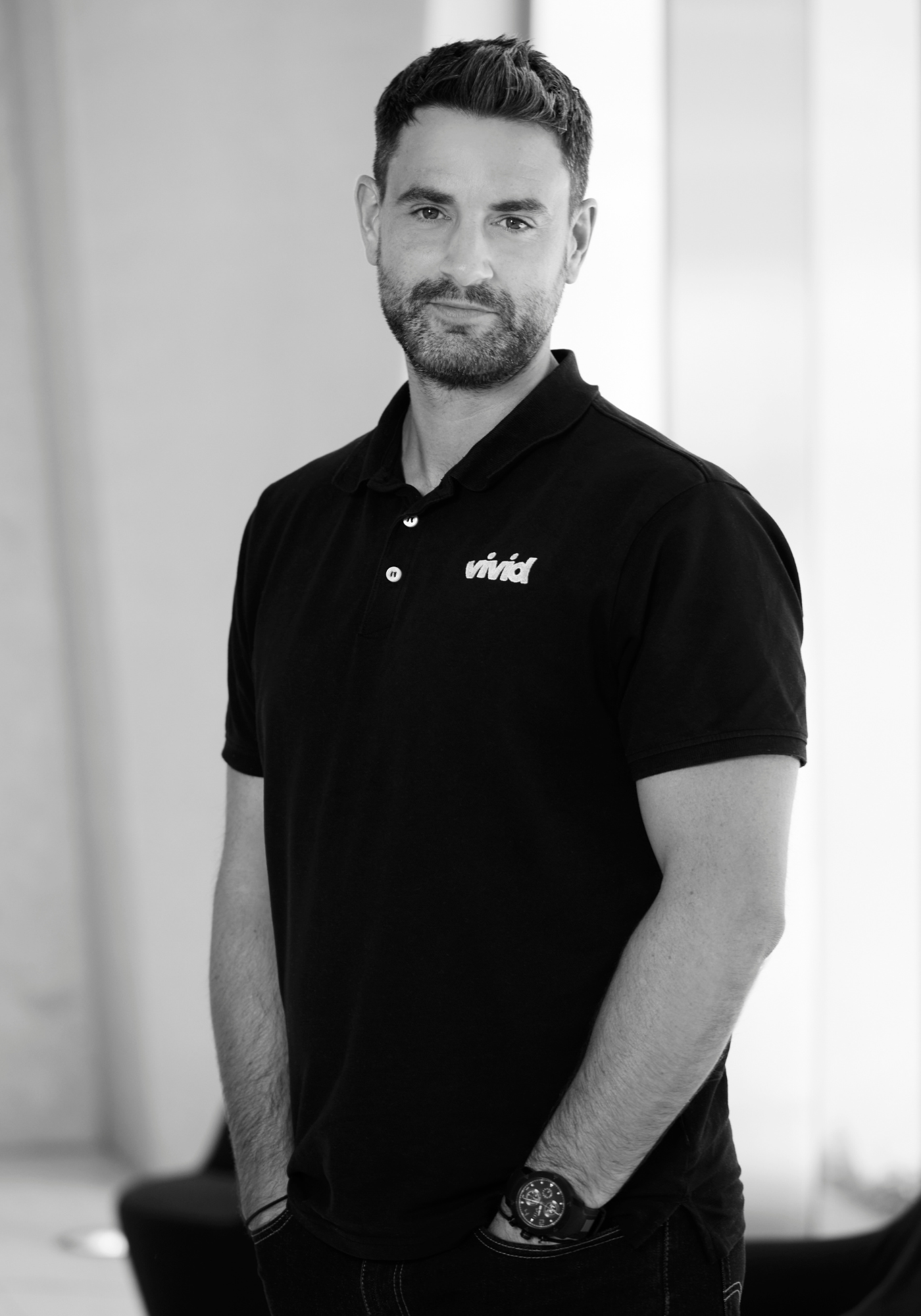
Man standing indoors in a black polo shirt and watch, facing the camera with hands in pockets.

About the Author


Lee Stevens, Director


Lee has over 15+ years’ experience across Architecture, Design, and Planning, working with boutique studios through to global consultancies. He’s built his network on straight-talking advice and long-term relationships, not sales tactics.

Originally from the UK, Lee moved to Melbourne in 2014 and now balances recruitment with family life, coaching football, and keeping up with his kids and their very energetic cocker spaniel.


Contact Lee


Want to discuss your next role?

Contact Lee Stevens, Principal Recruitment Consultant, Architecture & Design -

📲 0406 470 020 

📧 lee@vividrecruitment.com.au

You can also connect with Lee on LinkedIn or follow the Vivid Recruitment LinkedIn page for more industry insights, news, jobs and general chit chat and tips!

Your reputation as an employer can influence your ability to attract good people before you've even had the opportunity to meet them. Here's what architecture and design candidates want to know about the studios they're considering joining.

The short version


Attracting good people isn't just about the role, salary or projects on offer. Architecture and design candidates also want to understand what it's actually like to work in your studio.


They want to know about the design culture, the people they'll learn from, how the practice supports its team and what success looks like in the role.


These conversations matter. Your studio's reputation, leadership, culture and approach to people all contribute to how candidates perceive an opportunity. Understanding what the market thinks of your practice is an important part of building a team that will stay and grow with you.


What do candidates really want to know about an architecture studio?


When Lee Stevens, Director and Principal Recruitment Consultant at Vivid Recruitment, presents an opportunity to a strong architecture or interior design candidate, the conversation doesn't always start with salary.


In his experience, candidates often want to understand the studio itself before deciding whether an opportunity is worth exploring.


Questions can include:

  • What's the design culture really like?
  • Who will I be learning from?
  • How does the studio treat its people when a project gets difficult?
  • Is there a clear pathway for development and progression?
  • What does success actually look like in this position?


These are reasonable questions. Changing studios is a significant decision, particularly for experienced architects and designers who have invested years developing their skills, professional relationships and design experience.


A good salary and interesting project portfolio might attract someone's attention, but they don't necessarily tell them what their working life will look like once they join.


Candidates are also assessing the people they'll work with, the expectations placed on them and whether the environment will allow them to do good work.


For studios looking to recruit, these conversations are worth paying attention to.


Your studio's reputation is part of your recruitment strategy


A practice doesn't start building its reputation when a job advertisement goes live.


Candidates may already have an impression of your studio through previous colleagues, industry connections, people they've worked alongside or conversations within the architecture and design community.


That impression can influence whether they are interested in hearing about an opportunity in the first place.


It also means that the recruitment conversation isn't always starting from a blank page.


If a candidate has heard positive things about a studio, they're more likely to approach the opportunity with an open mind. Equally, if they've heard concerns about the working environment, management or expectations, those questions may need to be addressed before they consider moving.


This is why understanding your employer reputation matters.


It's not about having the most recognisable name or the longest list of awards. Those things can contribute to a studio's profile, but they don't necessarily explain what it's like to work there.


The everyday experience of your team is just as important to consider.


Awards and projects are only part of the story


Architecture and design practices understandably take pride in their projects, industry recognition and design achievements.


These are important parts of a studio's identity and can certainly help attract people who are interested in the work.


However, candidates are often looking beyond the portfolio.


They want to understand:


Design culture

How does the studio approach design? Is there an opportunity to contribute ideas, take ownership and be involved in the creative process?


Leadership and mentorship

Who will they be working with? Will they have access to experienced architects and designers who can support their development and share their knowledge?


Team environment

What is the working environment really like? How does the team operate when deadlines are tight, or projects become challenging?


Career development

Is there a clear understanding of what progression looks like? Are people given opportunities to develop their skills and take on greater responsibility?


Expectations and accountability

Does the studio have a clear understanding of what it expects from someone in the position? Can it explain what a successful first six or twelve months would look like?


These are all areas worth considering before starting a recruitment process.


A studio doesn't need to have a perfect answer to every question. However, being able to have an honest conversation about how the business operates is a good starting point.


Can you clearly explain why someone should join your practice?


One of the most useful exercises for a practice preparing to hire is to step outside its own perspective.


It's easy to assume that candidates will understand what makes your studio a good place to work. But if you can't clearly explain it, how can someone considering a move make an informed decision?


Before advertising your next position, consider a few questions:

  • What genuinely makes our studio different?
  • What do our current employees enjoy about working here?
  • What opportunities can we offer that someone might not have in their current position?
  • How do we support people when projects become challenging?
  • What does professional development look like in practice?
  • What would a successful person in this position achieve?


These don't need to be polished marketing statements.


In fact, an honest explanation of the realities of working in your studio is likely to be far more useful in a recruitment conversation than a list of generic benefits.


It's also worth asking your existing team for their perspective. The things leadership considers a studio's greatest strengths aren't necessarily the things employees value most.


That difference can be revealing.


How a specialist recruitment partner can help


This is where working with a specialist recruitment consultant can offer another perspective.


At Vivid Recruitment, our conversations with candidates give us an opportunity to understand what people are looking for when considering their next career move.


We also hear the questions candidates ask about individual practices, what attracts them to particular opportunities and, sometimes, what makes them hesitant.


That information can be valuable to a business preparing to hire.


Part of our role is helping practices communicate their opportunities clearly, but it's also about providing honest feedback on how the market perceives them.


Sometimes that feedback reinforces what a practice already knows. Other times, it highlights areas that might benefit from a closer look.


It might be the way a position is structured, the expectations attached to it, the development opportunities available or simply how the studio is communicating what it offers.


That outside perspective can help practices make better-informed decisions before investing time in a recruitment process.


Thinking about hiring in 2027? Start with your reputation.


If your practice is planning to grow or recruit in 2027, it's worth thinking about how potential candidates currently perceive your studio.


Are you communicating what makes the business a good place to work? Can your team explain the opportunities available? Do you understand what candidates are hearing about your practice?


You don't necessarily need a major employer branding exercise or a complete rethink of your recruitment strategy.


Sometimes, it starts with having a more honest conversation about what your studio offers and what the market thinks of it.


At Vivid Recruitment, we work with architecture and interior design practices across Australia, helping them understand their talent market and connect with the right people.


If you'd like an honest perspective on how candidates view your studio before your next hire, we'd be happy to have a chat.


Good roles with good businesses. Clear and Simple.


Frequently asked questions


What do architecture candidates look for when choosing a new studio?

Alongside salary and project experience, architecture candidates often want to understand the studio's design culture, leadership, team environment, professional development opportunities and expectations of the role.


How important is studio culture when recruiting architects and designers?

Studio culture can influence whether a candidate considers an opportunity and whether they see themselves working in that environment long term. Candidates may want to understand how teams collaborate, how leadership operates and how the studio supports its people.


Do architecture studios need a strong employer brand to attract candidates?

A recognisable employer brand can help, but it isn't the only factor. A studio's reputation, employee experience, leadership and ability to communicate genuine career opportunities can all influence candidate interest.


How can architecture practices improve their reputation with potential employees?

Start by understanding how current employees and people in the wider industry perceive the practice. Be clear about expectations, communicate genuine development opportunities and ensure the experience of working at the studio reflects what is presented during recruitment.


How can a specialist recruitment agency help an architecture practice attract better candidates?

A specialist recruitment consultant can provide insight into candidate expectations, salary considerations, market perceptions and competing opportunities. They can also help a practice communicate its offering more effectively and identify potential barriers to attracting the right people.


An antique hourglass with sand nearly run out sits in a dark wooden frame.
By Nick Koop • November 19, 2026
A slower recruitment market doesn't mean you can afford to wait. Discover why hiring speed matters and how employers can avoid losing great candidates.
White car loaded with a green couch, suitcase, hat, and chair, with jeans and sneakers in front on yellow background
By Vivid Recruitment • October 29, 2026
A new job in another city can open up opportunities, but there's more to think about than accepting an offer and booking a removalist. Whether you're moving for career progression, a new challenge or because opportunities in your current market are limited, relocating interstate is a big decision. You'll need to consider the role, salary, cost of living, accommodation and the practicalities of starting again somewhere new. There's plenty to organise, but a bit of planning beforehand can make the process considerably easier. If you're considering an interstate move for a role in architecture, interior design, engineering or planning, here's what to think about before making the commitment. 1. Make sure the opportunity is right for you It's easy to focus on the excitement of a new role, particularly if you've been looking for your next opportunity for a while. Before committing to a move, take a step back and consider what the job offers beyond the salary. Think about the projects you'll be working on, the people you'll be working with, opportunities to develop your skills and where the role could take your career over the next few years. Ask questions about the team's current workload, upcoming projects and longer-term pipeline. If you're moving to a new city, you'll want to understand the opportunity you're moving for. It's also worth considering whether the move suits your personal circumstances. Moving alone is different from relocating with a partner, children or pets, and those considerations can influence your timing and budget. The goal isn't simply to secure a job in another city. It's to find an opportunity that makes the move worthwhile. 2. Do the numbers before you commit A higher salary doesn't automatically mean you'll be better off financially. Living costs vary between cities and suburbs, so look beyond the headline salary when comparing opportunities. Consider your expected take-home pay alongside housing, transport and everyday expenses. Your budget should account for both the upfront cost of moving and your ongoing living expenses. One-off costs might include: Removalists, vehicle transport or van hire. Travel to your new city. Rental bond and rent in advance. Temporary accommodation while you look for a place to live. Furniture, household essentials and utility connections. Storage, pet transport or other costs specific to your circumstances. Ongoing expenses might include: Rent or mortgage repayments. Electricity, gas, water and internet. Groceries and general living expenses. Public transport, fuel, tolls and parking. Insurance, childcare or school-related expenses, where applicable. Travel back to see family and friends. Build a realistic budget before accepting an offer, and allow some breathing room for unexpected expenses. You may have a gap between leaving your current home and settling into your new one, and costs can add up quickly. MoneySmart's guide to rental bonds and leases and moving out checklist are useful starting points. 3. Work out where you'll live Finding somewhere to live can be one of the trickier parts of relocating, particularly if you're applying for rentals from another city. Start researching suburbs and accommodation options as soon as you know a move is a possibility. Think about your budget, commute, access to public transport and what you want from your new neighbourhood. You don't necessarily need to find your forever home before you move. Depending on your circumstances, short-term accommodation might give you time to explore different areas and find somewhere that suits you. If you're applying for a rental, prepare your paperwork early. Identification, proof of income or employment, rental references and other supporting documents can help you get your application ready. Remember to check the rental rules in your destination state or territory. Bond arrangements, tenancy requirements and renter protections can differ across Australia. Use the relevant government resources for your destination, such as Consumer Affairs Victoria , the NSW Government's renting guide or the Queensland Residential Tenancies Authority . And one important reminder: never transfer money for a property until you've taken appropriate steps to verify the listing, the person you're dealing with and the legitimacy of the rental arrangement. 4. Ask about relocation assistance Some employers offer relocation assistance to attract people from interstate. Others don't, so it's worth asking what might be available before you accept an offer. Depending on the employer and the role, assistance could include: Flights or travel expenses. Removalist costs. Temporary accommodation. Help with storage or transporting a vehicle. A relocation allowance or reimbursement of agreed expenses. Don't assume these costs will be covered, and don't rely on a verbal understanding. If relocation assistance is offered, clarify exactly what's included, any limits on reimbursement and when payments will be made. It's also important to understand whether any repayment conditions apply if you leave the business within a specified period. If assistance isn't available, you can still ask whether there's flexibility around your start date or whether the employer can accommodate an initial period of remote work while you organise the move. It's better to understand the position upfront than to discover unexpected costs after you've committed. 5. Consider the commute and your new lifestyle Choosing somewhere to live isn't just about finding an affordable property. It's also about how you'll spend your time outside work. Before settling on a suburb, check the location of your new office and how you'll get there. Consider whether you'll be office-based, working from home part of the week or travelling to project sites and client meetings. A suburb that looks close on a map might involve a longer commute than expected, particularly during peak hour. Research public transport, parking, tolls and typical travel times. If possible, test the journey before committing to a longer-term rental. It's also worth thinking about the lifestyle you're moving into. Climate, access to outdoor activities, social opportunities and proximity to family and friends can all influence how you settle in. Every city has its own character, and what works for someone else might not be right for you. Take the time to understand the practical differences rather than relying on assumptions about where you're moving. 6. Get clarity on the role before you hand in your notice When you're relocating for work, the stakes are higher than simply changing employers down the road. Before resigning from your current position or making non-refundable bookings, make sure the details of your new role are clear. Confirm the following with your new employer: Your employment arrangement, salary and agreed benefits. Your start date and primary work location. The role's responsibilities and reporting structure. Expected office attendance and flexibility. The team's current workload and anticipated project pipeline. Any probation requirements or other relevant employment conditions. Relocation assistance and any associated repayment conditions, if applicable. If the role depends on a particular project or upcoming workload, ask how that affects the position and its longer-term prospects. No employer can guarantee that business conditions will never change. However, having an honest conversation about the role and the business can help you make a more informed decision. If you're working with a recruiter, use them. Ask questions, discuss any concerns and make sure you understand what you're signing up for before making the move. 7. Give yourself time to settle in Getting the job and moving your belongings are only part of the process. It can take time to feel at home in a new city. You might need to establish new routines, find local services, meet people and get used to a different commute. If you're moving away from an established support network, those first few weeks can feel particularly unfamiliar. Give yourself time to adjust. If possible, plan a few things outside work that help you get to know your new surroundings. Join a local club, explore your neighbourhood or reconnect with friends and colleagues who already live nearby. For professionals moving into a new market, industry events and local professional networks can also be useful ways to meet people and build connections. You don't need to have everything sorted on day one. Focus on getting the essentials in place and allow the rest to follow.
Two people in white shirts smiling at each other while holding smartphones against a green background
By Nick Koop • October 16, 2026
Growing a business isn't always about chasing the next project.
Abstract pink-lit face with glowing eyes and white contour lines on a dark background
By Vivid Recruitment • October 8, 2026
AI is changing recruitment, and there are plenty of good reasons to use it. It can save time, sort information, and help recruiters and employers get through large volumes of applications.
City bridge lit pink over a river at dusk, with boats and high-rise buildings in the background.
By Nick Koop • October 7, 2026
Brisbane’s engineering market is busy, but that doesn’t mean every consultancy is winning the work they want.
Wooden blocks spelling 2026 on a dark background, with the last block showing 7 over 6.
By Vivid Recruitment • October 1, 2026
2027 is shaping up to be a busy year across Australia's architecture, engineering, and planning. With Olympic-related work continuing in Queensland, infrastructure projects moving ahead, Defence activity in South Australia and continued growth in data centres
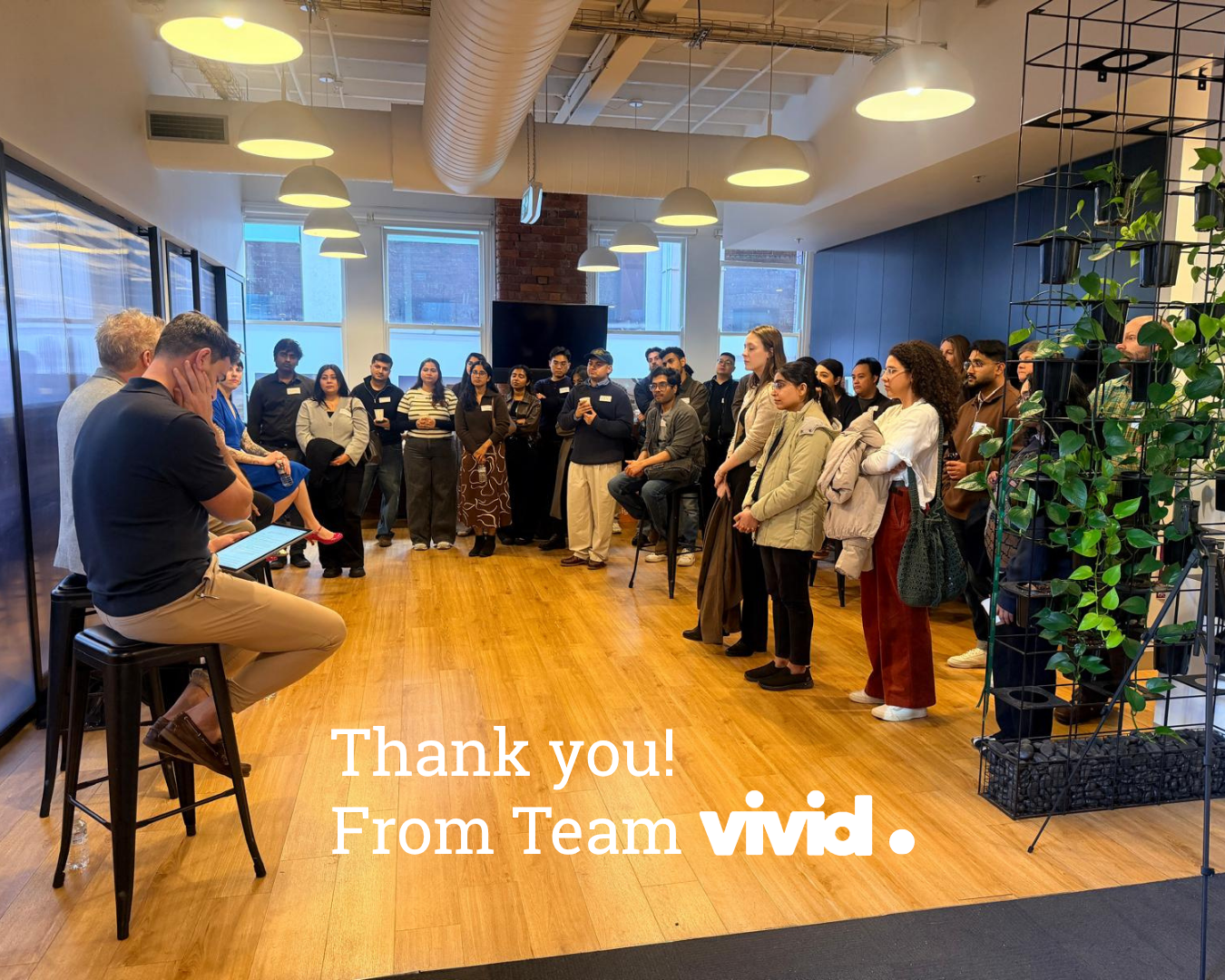
Team Vivid staff gathered in a bright office for a thank-you event, with “Thank you!” text overlay.
By Vivid Recruitment • September 16, 2026
Getting your first architecture job can feel like a bit of a lottery. You finish your degree, put together a CV and portfolio, send off applications and then... silence. So what are architecture practices actually looking for when they hire graduates? What makes a CV worth a second look? How important is technical knowledge? Should you specialise early? And what should you really be doing in those first six months? These were some of the questions discussed at Vivid Recruitment’s Graduate Architecture Careers Panel at MODE Melbourne in September, where we brought together experienced architecture and design professionals to share what they have learnt throughout their careers. There was plenty of good advice. Here are some of the points that stood out. Your CV and portfolio don't need to show everything you've ever done When you're trying to land your first architecture job, it is tempting to put everything into your application. Every university project. Every rendering. Every drawing. Every software package. Every award. More isn't necessarily better. Thihoa Gill , People Lead APAC at Grimshaw , spoke about the sheer volume of applications that can come through for graduate positions. Your CV needs to be clear, easy to read and quickly show what you can bring to a practice. The same goes for your portfolio. Elizabeth Stonehouse , Head of Quality at Cox , pointed out that people reviewing portfolios often make decisions quickly. If the pages are cluttered, the text is too small, or there is simply too much going on, the good work can get lost. Your portfolio should communicate your thinking, not just show the finished product. Show how you approached a project. Show the process. Show your design thinking. Show that you can communicate an idea clearly. And don't feel the need to make every page a hero shot. You don't need to know everything on day one One question that came up during the panel was how much graduates are expected to know about the NCC and Australian Standards. The answer was fairly straightforward: you aren't expected to know everything. What practices want to see is that you understand they exist, why they matter and where you would go to find the information you need. The same principle applies more broadly. You don't need to walk into your first architecture job knowing how to solve every technical problem. You do need to be curious enough to find the answer. Kavan Applegate , Director at Guymer Bailey Architects , talked about the value of being proactive and learning how to find information rather than simply waiting for someone to tell you what to do. That might mean looking through previous project drawings, reading specifications, asking questions or simply taking the time to understand why something has been done a particular way. Being able to find answers is a skill in itself. Your first six months are about learning There can be a strange expectation around graduate jobs that you need to arrive ready to contribute at a high level immediately. You don't. Thihoa spoke about the first six months as a period where graduates are finding their feet, building confidence and learning how a practice actually operates. That means listening. It means asking questions. It means paying attention to conversations happening around you. And, occasionally, it means taking the headphones off. You can learn a huge amount simply by listening to how experienced people speak to clients, consultants, builders and each other. Your first year isn't just about producing drawings. It's about understanding how an architecture practice works. Get some site experience If you want to be a designer, you might think technical knowledge and construction experience can wait. The panel had a different view. Understanding how buildings actually go together makes you a better architect and a better designer. Dion Gosling , Director & Melbourne Studio Lead at MODE, shared an example from his own early career, when he followed the construction of a house and documented the process from the slab through to completion. It gave him an understanding of construction that he could take back into his architectural work. You don't necessarily need a full-time job on a construction site to start learning. If you're struggling to get professional experience, find a construction project happening near you. Ask questions. Observe what is happening. Learn how a building goes together. It might even give you something genuinely interesting to talk about in an interview. Don't rush to specialise There is often pressure to decide what sort of architect you want to be early in your career. Health. Residential. Education. Commercial. Interior architecture. BIM. Design. Documentation. The reality is that your first few years are a good time to try things. Kenneth Jimbo , Senior Architect at MODE, spoke about working across different project types throughout his career, from mobile service provider fit-outs through to residential, multi-residential, sport and recreation and health. That breadth helped him work out what interested him. If you already know exactly what you want to specialise in, that's fine too. But don't close the door on opportunities simply because they don't fit the five-year career plan you've written at 23. You might learn something useful from a project you never expected to enjoy. Big practice or small practice? Try both if you can There isn't one perfect practice size for an architecture graduate. A smaller practice can give you exposure to lots of different parts of a project. You may see design, documentation, clients, consultants and construction much earlier. A larger practice can give you the chance to work within bigger teams and develop deeper expertise in particular areas. Dion's advice was simple: if you get the opportunity, experience both. Neither is automatically better. They can simply give you different experiences. The same applies to project types, roles and responsibilities. Don't assume your first job has to be the place you stay forever. Be brave enough to say you don't know One of the strongest messages from the panel was surprisingly simple. Ask for help. Elizabeth spoke about how important mentoring can be and the need to be comfortable admitting when you don't know something. That isn't weakness. You're a graduate. You're supposed to be learning. The people around you will generally get much more value from a graduate who asks a good question than one who spends three hours quietly heading in the wrong direction because they were afraid to ask. The trick is to learn from the answer and, where possible, have a go at finding the next one yourself. Build relationships before you need them One of the best stories from the evening came from Kenneth. Back in 2021, after his employer had cut hours during COVID, he was looking for a new opportunity. He saw a job advertised at the practice where Dion was working. Rather than simply submitting an application online, he got on his bike and went to the office. It was the final day of the job advertisement. He walked in, introduced himself and asked Dion if he had ten minutes. Dion remembered the interaction because Kenneth was calm, clear and confident. There was a human connection that simply doesn't happen when someone is one of hundreds of CVs sitting in an inbox. Kenneth got the opportunity. Years later, they are working together again at MODE. That's a pretty good reminder that architecture is still a people business. Networking doesn't have to mean walking into a room and handing out business cards. It can be as simple as introducing yourself to someone whose work interests you, going to an industry event, connecting with people on LinkedIn or having a conversation with someone you admire. You never know where that relationship might lead. Work out what you're actually good at There is no single version of what makes a good architect. Some people are brilliant designers. Some love technical detailing. Some are excellent with clients. Some are natural project leaders. Some thrive on site. Some are incredibly organised. Some can sit down with a complex problem and work out how to make it happen. Elizabeth made the point that there are many different ways to build a career in architecture. So rather than trying to convince everyone that you're good at everything, start paying attention to what you naturally enjoy and where you add value. At the same time, don't use your strengths as an excuse to avoid things you're not good at. Kenneth spoke about deliberately learning the parts of the job he initially found difficult. Once those skills became easier, he could spend more time developing the areas where he was strongest. That's a much more useful approach to career development than simply waiting for someone else to tell you what your career should look like. Registration matters, but don't let it become the whole point For architecture graduates in Australia, registration is obviously an important part of the journey. But the panel was consistent on one thing: don't rush it at the expense of actually learning your profession. Registration can take longer than you expect. That's okay. The experience you gain along the way matters. Understanding contracts, clients, consultants, documentation, construction and the wider responsibilities of an architect all contribute to becoming a well-rounded professional. Keep moving towards registration, but don't forget to look at what you're learning along the way. The biggest piece of advice? Be curious. There was a lot covered during the panel, but curiosity came up again and again. Ask why. Ask how. Look at the drawings. Read the specification. Go to site. Listen to conversations. Find out how the project works. Learn the software. Ask someone to explain something. Then go away and have another look yourself. A graduate who genuinely wants to learn can go a long way. Starting your architecture career doesn't need to be perfect Your first architecture job won't necessarily be your dream job. Your first project won't necessarily be your favourite project. You probably won't know exactly where your career is heading. That's normal. The goal is to get through the door, learn as much as you can, build good relationships and work out what you're good at and what you enjoy. And if you're currently applying for graduate architecture jobs and getting nowhere, don't take the lack of a response as a verdict on your career. The Melbourne market has been challenging for graduates, and competition for entry-level opportunities is real. That doesn't mean there aren't opportunities. It means you may need to approach the job search differently. Talk to people. Go to industry events. Ask questions. Get your portfolio reviewed. Keep learning. Put yourself in places where people can actually meet you. That's why Vivid put this panel together in the first place. We're recruiters, but we're also people who have spent years talking to practices and candidates about what makes careers work. We can't create a job for everyone. We can, however, help graduates understand the industry, make better connections and put their best foot forward. And sometimes, that's where it starts. Looking for your first architecture role? Vivid Recruitment works with architecture, interior design , engineering , planning and pre-construction businesses across Australia. Good roles with good businesses. Clear and Simple. [ Visit Vivid Recruitment to see our current opportunities. ] Watch the full Panel Discussion below...
By Lee Stevens • August 31, 2026
About the Author Lee Stevens, Director Lee has over 15+ years’ experience across Architecture, Design, and Planning, working with boutique studios through to global consultancies. He’s built his network on straight-talking advice and long-term relationships, not sales tactics. Originally from the UK, Lee moved to Melbourne in 2014 and now balances recruitment with family life, coaching football, and keeping up with his kids and their very energetic cocker spaniel. Contact Lee Want to discuss your next role? Contact Lee Stevens , Principal Recruitment Consultant, Architecture & Design - 📲 0406 470 020 📧 lee@vividrecruitment.com.au You can also connect with Lee on LinkedIn or follow the Vivid Recruitment LinkedIn page for more industry insights, news, jobs and general chit chat and tips!
Bright neon sign reading “BRISBANE” inside a warmly lit bar or restaurant
By Nick Koop • August 24, 2026
About the Author Nick Koop, Director With more than 11+ years of recruitment experience, Nick specialises in engineering recruitment across Australia. He has built strong relationships with everyone from boutique consultancies and start-ups through to global engineering firms, earning a reputation for honesty, transparency and doing what he says he'll do. Born and bred in Melbourne, Nick spends most weekends watching sport, chasing after his young kids, Louey and Odie, or finding an excuse to support a local pub with a well-earned pint. Contact Nick Want to discuss your next engineering hire? Give Nick a buzz or drop him a line via: 📲 0426 180 254 📧 nick@vividrecruitment.com.au You can also connect with Nick on LinkedIn or follow the Vivid Recruitment LinkedIn page for more industry insights, news, jobs and general chit chat and tips!
Sydney Opera House sails against a bright blue sky
By Lee Stevens • August 18, 2026
The short answer As 2027 nudges closer, Australian architecture firms are looking beyond impressive portfolios and job titles. They want people who can genuinely deliver projects, with strong documentation and BIM capability, solid project experience and the ability to communicate confidently with clients and consultants. At the same time, firms are becoming more considered about when and how they hire. Project pipelines, regional market conditions and the growing importance of flexibility are all influencing recruitment decisions. For architecture practices, the message is fairly simple: know exactly what you need, understand what the market can realistically provide and make sure your offer gives good people a reason to choose you. The role of the recruiter is changing too. Increasingly, firms need a specialist who can provide market intelligence, realistic salary benchmarking, insight into talent availability and advice on whether a permanent, contract or alternative recruitment approach makes the most sense. That's what we're seeing across the Australian architecture market as we look towards 2027. Delivery over dazzle This is probably the biggest shift we're seeing. A good portfolio still matters. A strong interview still matters. Experience and design ability obviously matter. But firms are becoming much more focused on what happens after the interview. Can this person actually deliver a project? Can they produce and coordinate documentation? Are they confident working in a BIM environment? Do they understand what happens as a project moves towards construction? Can they communicate with clients and consultants and hold their own in those conversations? There is a genuine concern among some practices about hiring someone who interviews beautifully, has an impressive portfolio and looks great on paper, only to discover that they can't actually get a job through to construction issue. That is why we're seeing more emphasis on genuine delivery capability. The conversation is moving away from simply asking, "What projects have you worked on?" It's becoming more about "What was your role on that project, and what did you actually deliver?" That's an important distinction. Documentation and BIM capability matter Design experience will always be important in architecture, but the ability to take that design thinking and turn it into a well-documented, coordinated and deliverable project is carrying real weight. Strong documentation skills and BIM competency continue to be sought after, particularly for practices that need people who can contribute to live projects without requiring significant support to get up to speed. This isn't about saying every architect needs to be a BIM specialist. It is about understanding the tools and processes being used within the practice and being able to work effectively within them. For clients, this means being clear about what they actually need before they start recruiting. A "Project Architect" in one practice can have a very different role from a "Project Architect" in another. One might be heavily involved in design and client presentations, while another could be responsible for documentation, consultant coordination and delivery. The title doesn't tell you enough. The detail does. Hiring is becoming more cautious We're also seeing less of the old urgency around recruitment. That doesn't mean firms aren't hiring. They are. But rather than automatically rushing to fill a vacancy, more practices are looking at their project pipeline and thinking carefully about what they are likely to need over the next six to twelve months. That caution makes sense. Projects get delayed. Feasibilities change. New work can take longer to commence than expected. A practice can be busy one month and suddenly find itself looking at a different pipeline a few months later. As a result, we're seeing more conversations around building talent pipelines and keeping good people on the radar rather than waiting until a vacancy becomes critical. Fixed-term and contract appointments are also becoming a more useful option for some practices, particularly where there is a need for additional capability but less certainty around the longer-term pipeline. For clients, that means the recruitment conversation shouldn't necessarily start with, "We need a permanent person." It should start with, "What do we actually need, and for how long?" There isn't one Australian architecture market This is another area where I think local knowledge makes a real difference. Brisbane, Melbourne and Sydney are not operating in exactly the same market. Brisbane is currently running hot, with Queensland's broader economic momentum and the infrastructure and development activity associated with the 2032 Olympics contributing to demand. We're seeing particular interest in experienced Project Architects and people who can step into projects and deliver. Melbourne is active, but more measured. Sydney is active too, but we're seeing a different level of caution around project pipelines and hiring decisions. That regional nuance matters when you're recruiting. Salary expectations aren't necessarily the same. Candidate availability isn't necessarily the same. The types of projects driving demand aren't necessarily the same. So a one-size-fits-all recruitment strategy doesn't really work anymore. If you're hiring in Brisbane, you need someone who understands Brisbane. If you're hiring in Melbourne, you need someone who understands Melbourne. It sounds obvious, but it is surprisingly easy to lose sight of when recruitment becomes a numbers game. Flexibility is now part of the offer Salary is still important. Nobody is suggesting otherwise. But it is increasingly only one part of the conversation. When I'm talking to candidates, work-life balance , flexibility , culture, leadership and the type of work they're going to be doing are regularly part of the decision. For some people, salary will still be the deciding factor. For others, a better working arrangement or the opportunity to work on the right projects can be just as important. The smarter practices are recognising that. If you're struggling to attract good people, simply increasing the salary isn't always the answer. Sometimes the question should be: What else are we offering? And equally, what are we asking people to give up to come and work for us ? That's an important conversation for employers to have as we head into 2027. What do architecture firms actually want from a recruiter? This is probably the question I would encourage clients to ask when choosing a recruitment partner . Because I don't think most architecture practices need another person sending them CVs. They need someone who understands the sector. Someone who knows the difference between a good portfolio and genuine project experience. Someone who understands salary expectations and can benchmark a role against the current market. Someone who can tell them when a particular skill set is difficult to find. Someone who is responsive. And, importantly, someone who is prepared to tell them when their brief isn't realistic. That last one is important. A good recruiter shouldn't just agree with everything a client asks for. If the combination of salary, experience, software capability, project sector and location makes a role incredibly difficult to fill, the client needs to know that before they spend weeks looking for someone who doesn't exist. That's where market intelligence becomes valuable. Recruitment is becoming more of an advisory relationship I think this is where recruitment is heading. The best client relationships are becoming less transactional and more advisory. The value isn't simply in finding a candidate. It's in understanding the market well enough to help a client make a better hiring decision. Is the salary competitive? Is the level of experience realistic? Is that skill set actually available in this location? Would a contract appointment make more sense? Should the role be structured differently? Are candidates going to be attracted to what we're offering? These are conversations that should happen before the job advertisement goes live, not after three weeks of getting nowhere. A specialist recruiter should be able to bring that information to the table. So, what should architecture firms be thinking about for 2027? I don't think 2027 is going to be about one big recruitment trend. It is going to be about being more considered. Firms will still need good architects, designers and project professionals. But they are likely to be more selective about who they bring into the business and more conscious of how that person fits into their actual project pipeline. Candidates will continue to look beyond salary. Regional differences will continue to matter. Technical and delivery capability will continue to carry weight. And firms that understand what they need, move quickly when the right person becomes available and offer something that candidates genuinely value will put themselves in a much stronger position. For me, the biggest change is simple. Recruitment is no longer just about filling a vacancy. It's about understanding the market well enough to make the right hiring decision. That's what we try to bring to our client relationships at Vivid . We work exclusively across Architecture, Interior Design , Planning and Engineering , so our conversations aren't based on what we've found on a job board that morning. They're based on the people we're speaking to, the practices we're working with and what we're seeing across the market. If you're thinking about your architecture hiring for the remainder of 2026 or planning ahead for 2027, we're always happy to have a conversation about what we're seeing. No hard sell. Just an honest conversation about the market and what is likely to work.