The Future of Architecture in Australia: What’s on the Horizon?

Vivid Recruitment • April 23, 2025

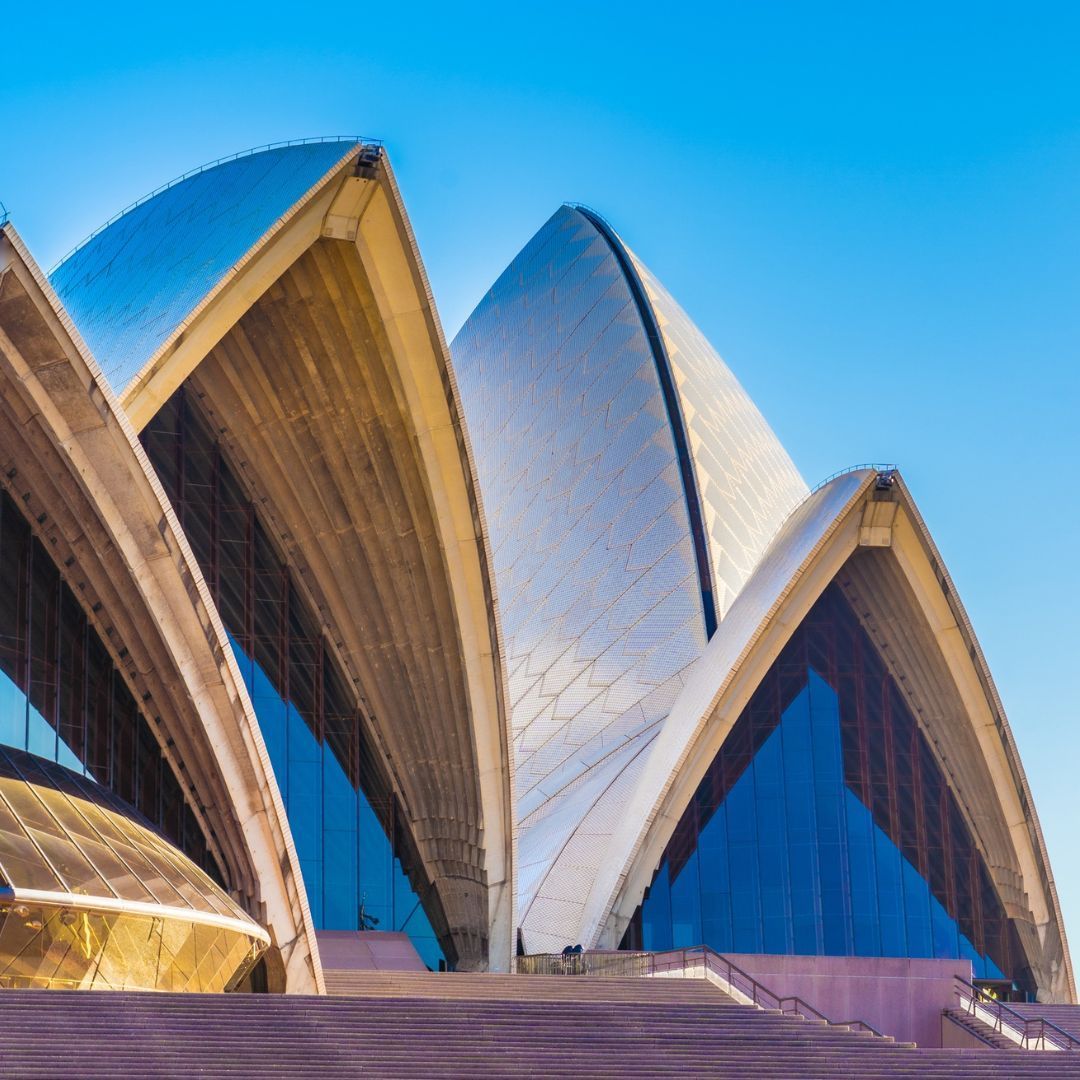
Australian architecture has long been defined by its bold character, diverse landscapes, and adaptability. From beachside pavilions to high-density cityscapes, our built environment continues to evolve with changing social, environmental, and technological demands.


But what does the next chapter look like? Let’s explore the emerging trends and movements shaping the future of architecture in Australia.


A Stronger Commitment to Sustainable Design


Sustainability is no longer a feature - it’s becoming the foundation of good design. As the built environment is responsible for a significant portion of Australia’s emissions, architects are taking the lead in driving climate-conscious solutions.


We can expect a continued rise in:

  • Net zero and carbon-negative buildings
  • Passive design principles that reduce reliance on mechanical systems
  • Use of recycled, renewable, and locally sourced materials
  • Circular construction methods that minimise waste and promote reuse


Future architecture in Australia will be measured not only by aesthetic or functionality but by environmental performance and resilience.


Designing with Nature: The Biophilic Approach


Biophilic design is moving from an emerging concept to an essential practice. It reflects a growing understanding of how natural elements within built environments can positively impact health, wellbeing, and productivity.


This will include:

  • Increased use of natural materials such as timber and stone
  • Integration of green roofs, vertical gardens, and landscaped terraces
  • Urban planning that prioritises access to nature and biodiversity
  • Indoor-outdoor spatial connections to enhance liveability


As cities densify, reconnecting with nature through design will be a key driver of healthier, more liveable communities.


The Growth of the 15-Minute Neighbourhood


Australia’s major cities are expanding, and with that comes a push for smarter urban planning. The idea of the 15-minute neighbourhood - where residents can access work, education, healthcare, and recreation within a short walk or cycle - will shape how we plan and design our cities.


This model supports:

  • Mixed-use developments that bring services closer to homes
  • Walkable streets and active transport infrastructure
  • Community-focused public spaces
  • Improved access to affordable and diverse housing options


Architects and planners will be central to realising these communities, where convenience, connection, and quality of life are prioritised.


Third Place Thinking: Designing for Connection Beyond Work and Home


As our lives become more flexible and digitally connected, there’s growing recognition of the need for third places - social environments outside of home (first place) and work (second place) that foster community interaction, casual connection, and a sense of belonging.


Architects are increasingly integrating third place thinking into:

  • Community hubs, libraries, and co-working cafés
  • Public plazas and shared green spaces
  • Retail and cultural precincts designed for lingering, not just passing through
  • Residential developments with shared amenities that encourage social engagement


Third places play a critical role in reducing isolation, supporting mental health, and building more cohesive communities - especially as remote work becomes more common.


Smart Technology and Data-Driven Design


Technology will continue to redefine the practice of architecture, not only in how we design but how buildings perform over time. The integration of digital tools and smart systems is creating more responsive, efficient, and user-friendly environments.


Key developments include:

  • Smart façades that adapt to environmental conditions
  • Intelligent building systems for energy and water management
  • Digital twins for predictive maintenance and performance modelling
  • VR and AR tools for immersive client collaboration and design testing


As technology becomes more embedded, architects will need to balance innovation with usability and long-term value.


Designing with Country and Indigenous Knowledge


A critical and growing movement in Australian architecture is the incorporation of Indigenous knowledge, perspectives, and connection to Country. Designing with Country is a culturally respectful approach that values deep listening, collaboration, and the unique identity of place.


This involves:

  • Meaningful engagement with First Nations communities
  • Design responses that reflect local culture, history, and landscapes
  • Consideration of traditional land care practices and sustainability principles
  • Storytelling through materials, form, and spatial planning


This shift is enriching architectural practice, fostering more inclusive and grounded outcomes for both communities and environments.


A Broader Role for Architects


The role of the architect is expanding. Beyond design and documentation, architects are becoming strategic advisors, urban problem-solvers, and advocates for the public good. From addressing housing affordability and climate adaptation to supporting equitable access to public space, the profession will be increasingly involved in broader societal challenges.


The architect of the future will work at the intersection of design, policy, community, and innovation.


Final Thoughts


The future of architecture in Australia will be defined by greater sustainability, deeper cultural understanding, smarter technologies, and more human-centred outcomes. It’s an exciting time to be shaping our cities, homes, and public spaces—and the opportunity to make a lasting impact has never been greater.


At Vivid Recruitment, we work with architects, designers, and engineers who are helping shape that future. Whether you're looking to build your team or take the next step in your career, we understand the challenges and opportunities in this evolving industry.


Reach out to us for a conversation about where architecture is headed - and how you can be part of it.


Contact the Team


Ready to dive into the action? For our clients, let's connect and make sure you're ready for the exciting opportunities ahead.


Nicholas Koop, Principal Recruitment Consultant, Engineering - 📲 0426 180 254 📧 nick@vividrecruitment.com.au

Lee Stevens, Principal Recruitment Consultant, Architecture & Design - 📲 0406 470 020 📧 lee@vividrecruitment.com.au


You can also connect with Lee on LinkedIn and Nick on LinkedIn or follow the Vivid Recruitment LinkedIn page for more industry insights, news, jobs and general chit chat and tips!


Three chairs on a dark stage, with one bright pink chair standing out
By Lee Stevens April 29, 2026
Understand key factors for getting hired in architecture & design. Improve your chances today!
Black question mark on a yellow background with a soft shadow
By Lee Stevens April 24, 2026
About the Author Lee Stevens, Director Lee has over 15 years’ experience across Architecture, Design, and Planning, working with boutique studios through to global consultancies. He’s built his network on straight-talking advice and long-term relationships, not sales tactics. Originally from the UK, Lee moved to Melbourne in 2014 and now balances recruitment with family life, coaching football, and keeping up with his kids and their very energetic cocker spaniel. Contact Lee Want to discuss your next role? Contact Lee Stevens , Principal Recruitment Consultant, Architecture & Design - 📲 0406 470 020 📧 lee@vividrecruitment.com.au You can also connect with Lee on LinkedIn or follow the Vivid Recruitment LinkedIn page for more industry insights, news, jobs and general chit chat and tips! If you’ve got an interview coming up and want a straight answer on how to approach it, reach out. No fluff. Just honest advice.
A person in a superhero costume with a red mask and cape, looking into the distance with a surprised expression.
By Nick Koop April 22, 2026
About the Author Nick Koop, Director With over 11 years in recruitment, Nick has worked closely with engineering professionals across Australia, from small consultancies to global firms. He’s built his approach on honesty, consistency, and actually listening to what people want, not just what’s on paper. Melbourne born and bred, Nick’s usually either following sport, chasing his kids around, or finding a decent spot for a quiet pint. He’s a long-suffering North Melbourne supporter, which probably says enough about his resilience. Contact Nick Want to discuss your next engineering hire? Give Nick a buzz or drop him a line via: 📲 0426 180 254 📧 nick@vividrecruitment.com.au You can also connect with Nick on LinkedIn or follow the Vivid Recruitment LinkedIn page for more industry insights, news, jobs and general chit chat and tips! Want Better Interview Advice That’s Actually Useful? If you’re preparing for a move in engineering, planning, or construction and want straight answers, reach out. No scripts. No fluff. Just a proper conversation.
A person with curly hair wearing a yellow sweater, holding their head with both hands while laughing against a yellow wall.
By Nick Koop April 15, 2026
Nick Koop from Vivid Recruitment breaks down why delivery and communication are starting to outweigh polished credentials in engineering interviews — and what candidates can do about it.
A person with a beard in a bright blue suit holds a megaphone to their mouth against a solid pink background.
By Nick Koop March 30, 2026
The Australian engineering market is shifting. Victoria is stabilising and Brisbane is booming. Here's what candidates and employers need to know right now.
A white, oval speech bubble featuring the word
By Lee Stevens March 29, 2026
Rejection is one of the hardest parts of recruitment—but how it’s handled can define your reputation. Clear, honest feedback not only helps candidates improve but strengthens long-term relationships. In competitive markets like Melbourne, where strong candidates often miss out, thoughtful communication turns a negative moment into a positive, lasting impression.
A person sitting on a sofa using a laptop with a dog sitting beside them against a blue background.
By Vivid Recruitment March 22, 2026
Flexible working has become a core part of the modern workplace across architecture , planning and engineering . For many professionals, the ability to work from home offers clear benefits . Less commuting, more control over the day and better balance around personal commitments. But there is another side to the conversation that is starting to gain more attention. Loneliness. Recent insights shared by Michelle Lim, psychologist and CEO of Ending Loneliness Together via ABC News , highlight that loneliness is more common than many people realise. Nearly one in three Australians experience loneliness at any given time, with a significant number feeling this on an ongoing basis. For professionals working in architecture studios, planning consultancies and engineering teams, this can have a real impact. Why Loneliness Matters at Work Loneliness is not just a personal issue. It can affect how people perform and engage at work. According to Michelle Lim, feeling disconnected can lead to: lower motivation reduced creativity increased likelihood of illness In industries like architecture, planning and engineering, where collaboration and creativity are central, this can be particularly challenging. Why Remote Work Can Increase Isolation Flexible working has clear advantages, but it can also remove many of the small interactions that make a working day feel connected. In a studio environment, these moments happen naturally: quick conversations across desks informal design discussions shared problem solving social interaction throughout the day When working remotely, these moments often disappear. Research from Dinethi Yasodara Jayarathna at the University of South Australia highlights common experiences among hybrid workers: feeling overlooked in meetings missing out on informal conversations a sense of being disconnected from the team For graduates and junior staff, this can be even more pronounced. The Challenge for Architecture, Planning and Engineering Studios This creates a balancing act for studio leaders. On one hand, candidates increasingly expect flexibility. On the other, the work itself relies on: collaboration mentoring shared learning strong team relationships It is not simply a question of allowing work from home. It is about how teams stay connected while working flexibly . What Actually Helps Reduce Loneliness at Work The good news is that small, consistent actions can make a meaningful difference. 1. Regular and Meaningful Check Ins Quick messages are not always enough. Scheduled check ins, whether by phone or video, help maintain real connection. Even a short 10 minute conversation can boost energy and engagement. 2. Virtual Social Moments Simple ideas such as virtual coffees or informal chat groups can recreate some of the social aspects of studio life. It does not need to be forced or overly structured. The goal is to create space for casual interaction. 3. Coordinated Studio Days For architecture, planning and engineering teams, time together in the studio still matters . Coordinating in office days allows for: design reviews mentoring team connection social interaction This is often where hybrid working works best. 4. Structured Mentoring Graduates and junior professionals benefit from regular access to senior staff. Studios can support this through: scheduled mentoring sessions regular design or project reviews clear development pathways This helps reduce the feeling of being overlooked or disconnected. 5. Encouraging Breaks and Boundaries Working from home can blur the line between work and personal life. Encouraging people to step away from their desk, take breaks and reset during the day is simple but effective. 6. Connection Beyond Work Not all connection needs to come from the workplace. Strong relationships outside of work can help balance periods of isolation during remote working. Flexibility Still Matters, But So Does Connection Flexible working is not going anywhere. For professionals in architecture, planning and engineering, it remains a key factor when choosing a role. However, this conversation is evolving. It is no longer just about where people work. It is about how people feel when they work . Studios that focus on both flexibility and connection are more likely to build engaged, motivated and high performing teams. The Takeaway for Employers and Candidates For employers: Flexibility needs to be supported with intentional collaboration, mentoring and communication. For candidates: It is worth considering not just how often you can work from home, but how connected you will feel to your team. At Vivid Recruitment, we are seeing these conversations happen more frequently across architecture, planning and engineering practices. The most successful teams are not choosing between flexibility and connection. They are finding ways to make both work together. Speak with the Team Need help with your career or talent? Get in touch with our guys to help you out. Nicholas Koop , Principal Recruitment Consultant, Engineering & Planning - 📲 0426 180 254 📧 nick@vividrecruitment.com.au Lee Stevens , Principal Recruitment Consultant, Architecture & Design - 📲 0406 470 020 📧 lee@vividrecruitment.com.au You can also connect with Lee on LinkedIn and Nick on LinkedIn or follow the Vivid Recruitment LinkedIn page for more industry insights, news, jobs and general chit chat and tips! Vivid Recruitment - Your specialist partner in: Architecture & Interior Design Recruitment | Urban Design & Planning Recruitment | Mechanical Engineering Recruitment | Electrical Engineering Recruitment | Structural Engineering Recruitment | Civil Engineering Recruitment | Acoustic Engineering Recruitment | Hydraulic Engineering Recruitment | ESD / Sustainability Engineering Recruitment | Fire Engineering Recruitment

A person in a striped shirt holds an open notebook with the words
By Vivid Recruitment March 16, 2026
Flexible working is changing across architecture, planning and engineering studios. Explore practical ways practices can compete for talent beyond work from home.
Four people sit on stools against a purple wall, using a clipboard, tablet, laptop, and phone.
By Vivid Recruitment March 4, 2026
If you work in Architecture, Interior Design , Urban Planning, Town Planning or Engineering in Australia, you have probably had mixed experiences with recruiters. Some are helpful. Some send roles that make no sense. Some disappear the moment you are not an immediate fit. Here is the honest bit. In the built environment sector, recruitment only works properly when it is specialist and relationship led. At Vivid Recruitment, we work solely across Architecture, Interior Design, Urban and Town Planning, Engineering, Construction and Project Management. We speak to hiring managers in Brisbane and Melbourne every day. We see who is growing, who is restructuring and who is quietly hiring. The candidates who get the best results are not the ones who send a CV and hope. They are the ones who engage properly. Here is what that looks like. 1. Your Recruiter Has Inside Access to the Australian Architecture, Planning and Engineering Market A good specialist recruiter in Brisbane, Melbourne or Sydney will know far more than what is written in a job ad. We often know: Why a Senior Architect or Senior Town Planner role has genuinely become available Whether a design studio or planning consultancy has strong leadership Which Engineering firms are expanding off the back of infrastructure funding Which practices are struggling with retention Which roles have been open for months and why This type of insight does not appear on Seek or LinkedIn Jobs. If you are exploring Architecture jobs in Brisbane, Urban Planning roles in Melbourne or Engineering opportunities in Queensland, ask direct questions: Why has this role actually become available? What is the manager like to work for day to day? How long do people typically stay in this team? What does success look like in this role after 12 months? Whether you are an Architect, Interior Designer, Urban Planner or Engineer, these questions help you assess long term fit, not just salary and title. 2. Salary Negotiation Is Often Stronger Through a Recruiter Salary conversations in Architecture, Planning and Engineering can feel uncomfortable, especially face to face with a hiring manager. Working through a recruiter changes the dynamic. You can be open about: Your current base salary and benefits What would genuinely motivate you to move Whether you are targeting Senior, Associate or Principal level What flexibility you need around hybrid working  In Australia, salaries vary significantly by city, discipline and sector. A specialist recruiter can provide current salary benchmarks across: Commercial Architecture Interior Design studios Urban and Town Planning consultancies Civil, Structural and Building Services Engineering Client side Project Management Recruitment fees are typically linked to salary, so there is a practical incentive to secure a strong offer for you. If you want to negotiate effectively, ask: Based on the current market, what should someone with my experience be earning in Melbourne or Brisbane? How flexible is the client on salary for the right person? What have similar candidates in Architecture, Planning or Engineering secured recently? If the offer comes in lower than expected, how would you position a counter offer? Transparency leads to better outcomes. 3. Specialist Architecture, Planning and Engineering Recruiters Deliver Better Results The Australian built environment sector is tight. Reputation travels quickly. A recruiter who focuses purely on Architecture, Interior Design, Planning and Engineering will: Understand technical capability, from BIM to planning scheme knowledge Know the difference between private consultancy, developer side and local government roles Recognise the nuances between Tier 1 firms and boutique practices Have established relationships with Directors and hiring managers Understand hiring trends linked to infrastructure pipelines, residential growth and policy changes A generalist recruiter covering multiple industries cannot offer the same depth. If you are speaking to a recruiter about Architecture jobs, Town Planning roles or Engineering opportunities in Australia, test their expertise: How many Architects, Planners or Engineers have you placed in the last 12 months? Which practices are actively hiring but not advertising? Who are the strongest employers in this discipline right now? What sector trends are shaping hiring decisions this year? Clear, confident answers usually indicate genuine specialisation. 4. The Biggest Mistake Architecture, Planning and Engineering Candidates Make: Being Passive The most common mistake we see across the Australian Architecture, Planning and Engineering job market is simple. Send CV. Wait. That approach limits your visibility and your options. Instead, treat your recruiter as a long term industry contact within the built environment sector. Have conversations about: Where your experience sits within the current market Whether you are realistically positioned for Associate or Senior Planner level What skills or project exposure would strengthen your profile Timing, especially if large infrastructure or residential projects are coming online Proactive candidates typically access stronger opportunities, including confidential roles that never reach the open market. How to Get the Most Value From a Recruiter in Australia’s Built Environment Sector The Australian Architecture, Interior Design, Urban Planning and Engineering market is small. Reputations stick. Networks matter. A recruiter should not just forward your CV. They should: Give you honest market feedback Protect your reputation Tell you when not to move Advocate properly when you should Provide real salary benchmarking Share insight into firms you cannot access yourself That is how we operate at Vivid Recruitment. Straight answers. Clear conversations. Long term relationships over quick wins. Because the right move at the right time can shape the next five years of your career.
A green bridge over a river, with a city skyline in the background under a cloudy sky.
By Vivid Recruitment February 23, 2026
Brisbane’s engineering and architecture market is booming in 2026. Explore hiring trends across structures, civil, building services and architecture, plus salary movement and talent shortages in Queensland.