The Question That Separates Good Candidates From Great Ones in Engineering Interviews
Nick Koop • April 22, 2026

About the Author


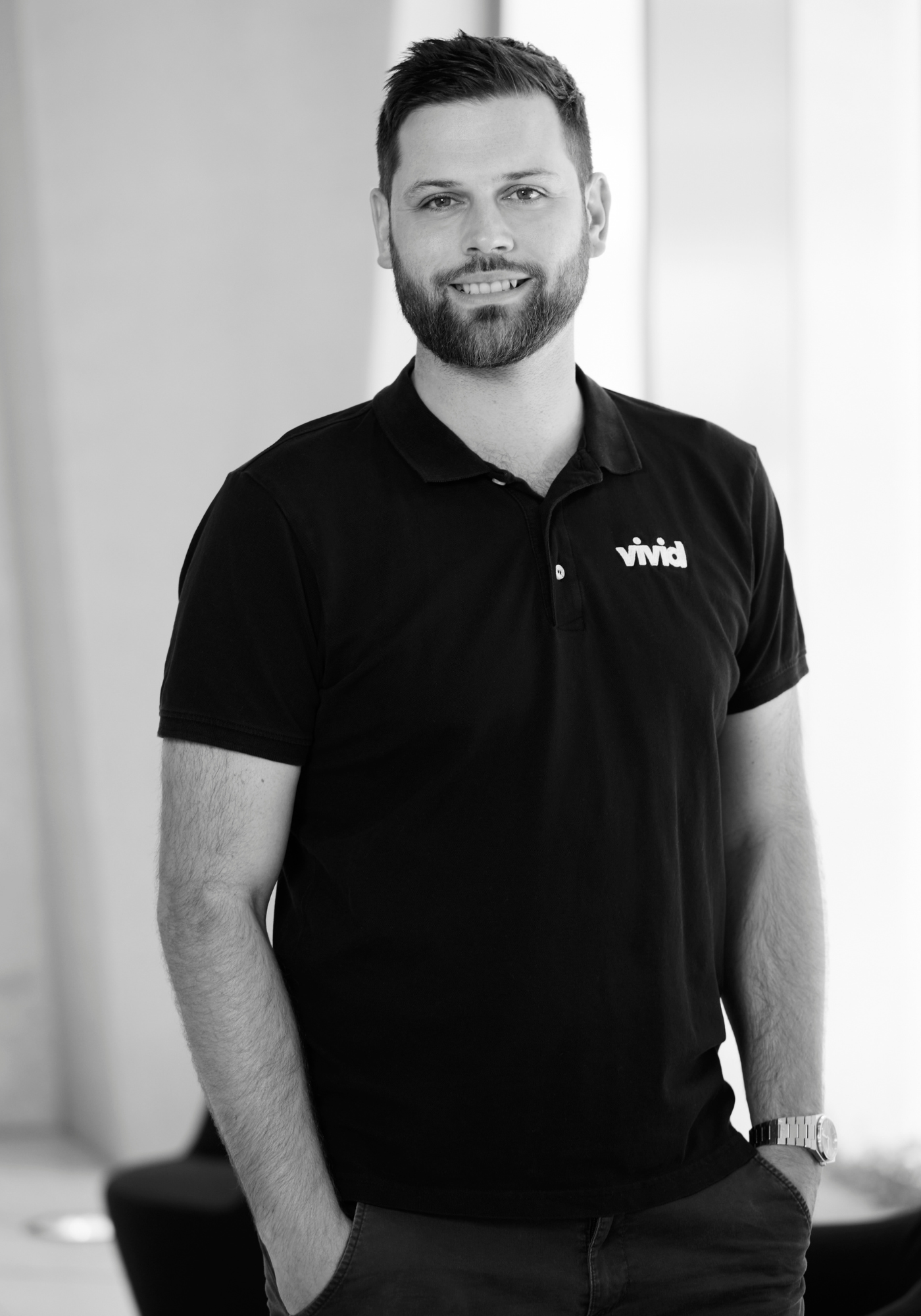
Nick Koop, Director


With over 11 years in recruitment, Nick has worked closely with engineering professionals across Australia, from small consultancies to global firms. He’s built his approach on honesty, consistency, and actually listening to what people want, not just what’s on paper.

Melbourne born and bred, Nick’s usually either following sport, chasing his kids around, or finding a decent spot for a quiet pint. He’s a long-suffering North Melbourne supporter, which probably says enough about his resilience.


Contact Nick


Want to discuss your next engineering hire? Give Nick a buzz or drop him a line via:


📲 0426 180 254

📧 nick@vividrecruitment.com.au


You can also connect with Nick on LinkedIn or follow the Vivid Recruitment LinkedIn page for more industry insights, news, jobs and general chit chat and tips!


Want Better Interview Advice That’s Actually Useful?


If you’re preparing for a move in engineering, planning, or construction and want straight answers, reach out. No scripts. No fluff. Just a proper conversation.

Most candidates treat the end of an interview like a formality. It’s not. The questions you ask can leave a stronger impression than anything you’ve said before it. If you’re working in engineering, construction, or design, one simple question can tell you what success actually looks like and quietly position you as someone worth hiring.

Why the Last 5 Minutes of an Interview Matter More Than You Think


We’ve sat in on a lot of interviews across engineering and construction. Civil designers, project engineers, planners, you name it.


And one thing keeps happening.


The interview wraps up, things are going well, and the hiring manager asks:

“Do you have any questions for us?”


Half the time, the candidate says something along the lines of:

“Nah, I’m all good.”


That’s a miss. A big one.


Not because it’s rude. But because you’ve just skipped one of the easiest chances to stand out without having to sell yourself.


The Question That Actually Gets People Remembered


Here’s a question we’ve seen land really well:

“When you think about your top performers in this organisation, what qualities or mindset set them apart from someone who simply meets expectations?”


Simple. No fluff. But it does a lot of heavy lifting.


Why This Question Works (Especially in Engineering and Construction)


1. It Shows You’re Thinking Beyond the Job Description

Anyone can talk through their CV. Most engineers can explain a project they’ve worked on.

But this question tells the interviewer you’re already thinking about how to succeed in their environment.

Not just how to get through probation.


2. It Gives You the Real Version of the Role

Job descriptions in our industry are… optimistic.

Every role sounds like a mix of technical delivery, stakeholder management, innovation, and leadership. In reality, every business values different things.

Some care about billables and utilisation.
Some care about client relationships.
Some just want someone reliable who doesn’t create headaches.

This question cuts through the polished version and gets you closer to the truth.


3. It Positions You Without Saying It Out Loud

You’re not saying “I’m a top performer.”

But you are making it clear that’s where your head is at.

That subtle shift matters.

Especially in a market where good engineers are hard to find but great ones are even harder to keep.


What You Should Be Listening For in Their Answer


This is the part most candidates miss.

Don’t just ask the question and nod along.

Pay attention to what they actually say.


Look for patterns like:

  • Ownership vs hand-holding - Are their best people self-sufficient or heavily managed?
  • Technical depth vs client-facing skills - Do they value design excellence or relationship building more?
  • Hours vs output - Are top performers the ones staying back late or the ones delivering efficiently?
  • Culture signals - Do they mention teamwork, ego, communication, or just KPIs?


This is the stuff that tells you whether you’ll actually enjoy working there.


Interviews Go Both Ways (Even If People Pretend They Don’t)


There’s still this old-school thinking in parts of construction and engineering that interviews are one-sided.


They’re not.


If anything, in the current market, candidates have more say than they realise.


You’re not just being assessed on whether you can do the job.


You’re working out:

  • Will I learn here?
  • Will I be backed by leadership?
  • Is this place going to burn me out?


If you’re not asking questions that help you answer those, you’re flying blind.


Other Questions That Actually Add Value (Not Just Filler)


If you want a few more that don’t sound rehearsed, here are some we’ve seen work well:

  • “What does success look like in this role after 6 to 12 months?”
  • “What’s been the biggest challenge for someone in this position previously?”
  • “How does the team typically handle pressure when projects get tight?”
  • “Why did the last person leave?”


None of these are fancy. That’s the point.


They’re real questions that get real answers.


A Quick Reality Check From Recruitment


We’ve worked with enough hiring managers across consultancies, contractors, and developers to say this confidently:

Candidates who ask thoughtful questions get remembered.


Not always because of what they asked, but because of what it signals.


It shows:

  • Curiosity
  • Commercial awareness
  • A bit of self-respect


And in an industry where a lot of interviews blur together, that’s often the difference.


Final Thought


If you take nothing else from this, take this:

Don’t waste the last five minutes of an interview.


That’s where you stop being just another CV and start looking like someone who actually gets it.

By Lee Stevens August 31, 2026
About the Author Lee Stevens, Director Lee has over 15+ years’ experience across Architecture, Design, and Planning, working with boutique studios through to global consultancies. He’s built his network on straight-talking advice and long-term relationships, not sales tactics. Originally from the UK, Lee moved to Melbourne in 2014 and now balances recruitment with family life, coaching football, and keeping up with his kids and their very energetic cocker spaniel. Contact Lee Want to discuss your next role? Contact Lee Stevens , Principal Recruitment Consultant, Architecture & Design - 📲 0406 470 020 📧 lee@vividrecruitment.com.au You can also connect with Lee on LinkedIn or follow the Vivid Recruitment LinkedIn page for more industry insights, news, jobs and general chit chat and tips!
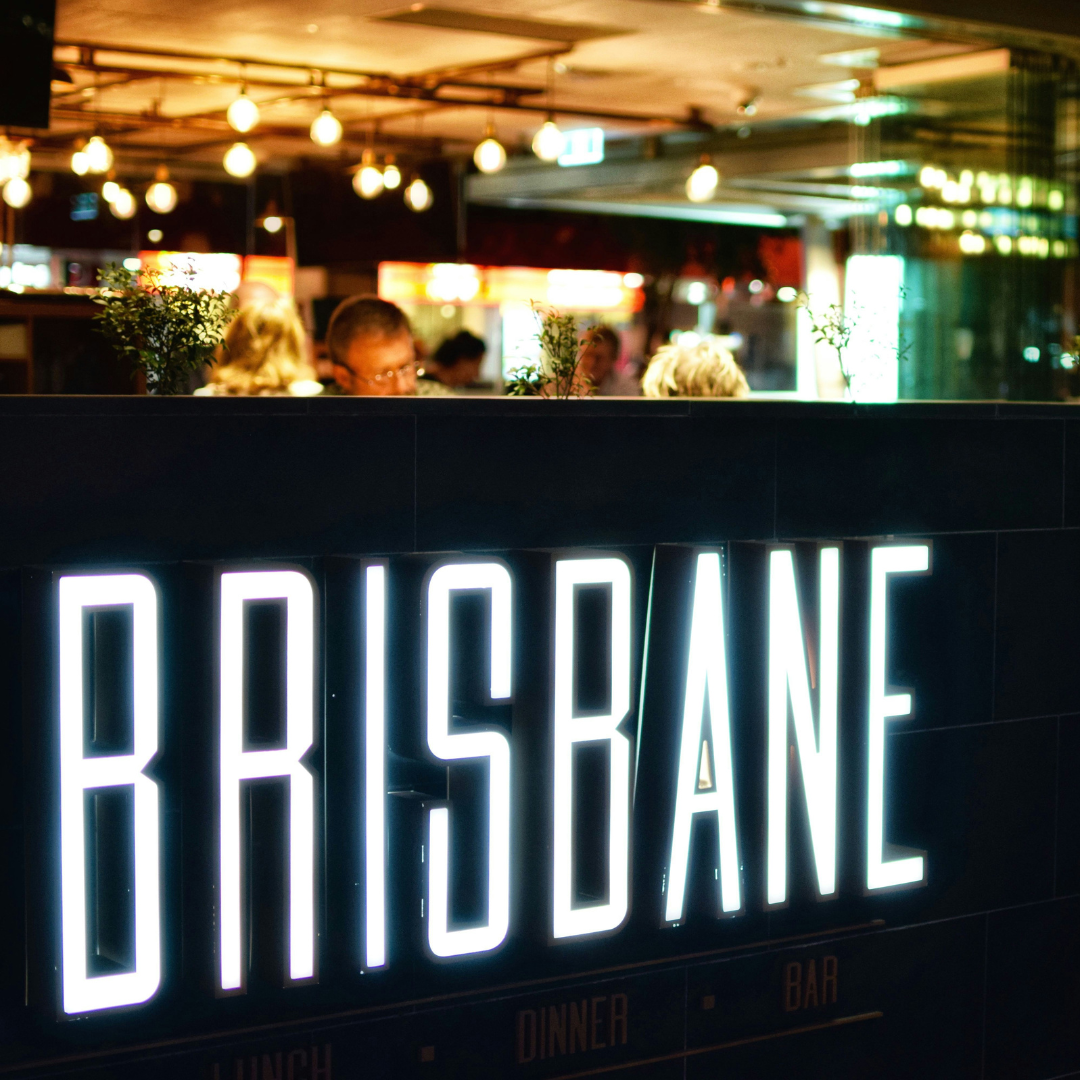
Bright neon sign reading “BRISBANE” inside a warmly lit bar or restaurant
By Nick Koop August 24, 2026
About the Author Nick Koop, Director With more than 11+ years of recruitment experience, Nick specialises in engineering recruitment across Australia. He has built strong relationships with everyone from boutique consultancies and start-ups through to global engineering firms, earning a reputation for honesty, transparency and doing what he says he'll do. Born and bred in Melbourne, Nick spends most weekends watching sport, chasing after his young kids, Louey and Odie, or finding an excuse to support a local pub with a well-earned pint. Contact Nick Want to discuss your next engineering hire? Give Nick a buzz or drop him a line via: 📲 0426 180 254 📧 nick@vividrecruitment.com.au You can also connect with Nick on LinkedIn or follow the Vivid Recruitment LinkedIn page for more industry insights, news, jobs and general chit chat and tips!
Sydney Opera House sails against a bright blue sky
By Lee Stevens August 18, 2026
The short answer As 2027 nudges closer, Australian architecture firms are looking beyond impressive portfolios and job titles. They want people who can genuinely deliver projects, with strong documentation and BIM capability, solid project experience and the ability to communicate confidently with clients and consultants. At the same time, firms are becoming more considered about when and how they hire. Project pipelines, regional market conditions and the growing importance of flexibility are all influencing recruitment decisions. For architecture practices, the message is fairly simple: know exactly what you need, understand what the market can realistically provide and make sure your offer gives good people a reason to choose you. The role of the recruiter is changing too. Increasingly, firms need a specialist who can provide market intelligence, realistic salary benchmarking, insight into talent availability and advice on whether a permanent, contract or alternative recruitment approach makes the most sense. That's what we're seeing across the Australian architecture market as we look towards 2027. Delivery over dazzle This is probably the biggest shift we're seeing. A good portfolio still matters. A strong interview still matters. Experience and design ability obviously matter. But firms are becoming much more focused on what happens after the interview. Can this person actually deliver a project? Can they produce and coordinate documentation? Are they confident working in a BIM environment? Do they understand what happens as a project moves towards construction? Can they communicate with clients and consultants and hold their own in those conversations? There is a genuine concern among some practices about hiring someone who interviews beautifully, has an impressive portfolio and looks great on paper, only to discover that they can't actually get a job through to construction issue. That is why we're seeing more emphasis on genuine delivery capability. The conversation is moving away from simply asking, "What projects have you worked on?" It's becoming more about "What was your role on that project, and what did you actually deliver?" That's an important distinction. Documentation and BIM capability matter Design experience will always be important in architecture, but the ability to take that design thinking and turn it into a well-documented, coordinated and deliverable project is carrying real weight. Strong documentation skills and BIM competency continue to be sought after, particularly for practices that need people who can contribute to live projects without requiring significant support to get up to speed. This isn't about saying every architect needs to be a BIM specialist. It is about understanding the tools and processes being used within the practice and being able to work effectively within them. For clients, this means being clear about what they actually need before they start recruiting. A "Project Architect" in one practice can have a very different role from a "Project Architect" in another. One might be heavily involved in design and client presentations, while another could be responsible for documentation, consultant coordination and delivery. The title doesn't tell you enough. The detail does. Hiring is becoming more cautious We're also seeing less of the old urgency around recruitment. That doesn't mean firms aren't hiring. They are. But rather than automatically rushing to fill a vacancy, more practices are looking at their project pipeline and thinking carefully about what they are likely to need over the next six to twelve months. That caution makes sense. Projects get delayed. Feasibilities change. New work can take longer to commence than expected. A practice can be busy one month and suddenly find itself looking at a different pipeline a few months later. As a result, we're seeing more conversations around building talent pipelines and keeping good people on the radar rather than waiting until a vacancy becomes critical. Fixed-term and contract appointments are also becoming a more useful option for some practices, particularly where there is a need for additional capability but less certainty around the longer-term pipeline. For clients, that means the recruitment conversation shouldn't necessarily start with, "We need a permanent person." It should start with, "What do we actually need, and for how long?" There isn't one Australian architecture market This is another area where I think local knowledge makes a real difference. Brisbane, Melbourne and Sydney are not operating in exactly the same market. Brisbane is currently running hot, with Queensland's broader economic momentum and the infrastructure and development activity associated with the 2032 Olympics contributing to demand. We're seeing particular interest in experienced Project Architects and people who can step into projects and deliver. Melbourne is active, but more measured. Sydney is active too, but we're seeing a different level of caution around project pipelines and hiring decisions. That regional nuance matters when you're recruiting. Salary expectations aren't necessarily the same. Candidate availability isn't necessarily the same. The types of projects driving demand aren't necessarily the same. So a one-size-fits-all recruitment strategy doesn't really work anymore. If you're hiring in Brisbane, you need someone who understands Brisbane. If you're hiring in Melbourne, you need someone who understands Melbourne. It sounds obvious, but it is surprisingly easy to lose sight of when recruitment becomes a numbers game. Flexibility is now part of the offer Salary is still important. Nobody is suggesting otherwise. But it is increasingly only one part of the conversation. When I'm talking to candidates, work-life balance , flexibility , culture, leadership and the type of work they're going to be doing are regularly part of the decision. For some people, salary will still be the deciding factor. For others, a better working arrangement or the opportunity to work on the right projects can be just as important. The smarter practices are recognising that. If you're struggling to attract good people, simply increasing the salary isn't always the answer. Sometimes the question should be: What else are we offering? And equally, what are we asking people to give up to come and work for us ? That's an important conversation for employers to have as we head into 2027. What do architecture firms actually want from a recruiter? This is probably the question I would encourage clients to ask when choosing a recruitment partner . Because I don't think most architecture practices need another person sending them CVs. They need someone who understands the sector. Someone who knows the difference between a good portfolio and genuine project experience. Someone who understands salary expectations and can benchmark a role against the current market. Someone who can tell them when a particular skill set is difficult to find. Someone who is responsive. And, importantly, someone who is prepared to tell them when their brief isn't realistic. That last one is important. A good recruiter shouldn't just agree with everything a client asks for. If the combination of salary, experience, software capability, project sector and location makes a role incredibly difficult to fill, the client needs to know that before they spend weeks looking for someone who doesn't exist. That's where market intelligence becomes valuable. Recruitment is becoming more of an advisory relationship I think this is where recruitment is heading. The best client relationships are becoming less transactional and more advisory. The value isn't simply in finding a candidate. It's in understanding the market well enough to help a client make a better hiring decision. Is the salary competitive? Is the level of experience realistic? Is that skill set actually available in this location? Would a contract appointment make more sense? Should the role be structured differently? Are candidates going to be attracted to what we're offering? These are conversations that should happen before the job advertisement goes live, not after three weeks of getting nowhere. A specialist recruiter should be able to bring that information to the table. So, what should architecture firms be thinking about for 2027? I don't think 2027 is going to be about one big recruitment trend. It is going to be about being more considered. Firms will still need good architects, designers and project professionals. But they are likely to be more selective about who they bring into the business and more conscious of how that person fits into their actual project pipeline. Candidates will continue to look beyond salary. Regional differences will continue to matter. Technical and delivery capability will continue to carry weight. And firms that understand what they need, move quickly when the right person becomes available and offer something that candidates genuinely value will put themselves in a much stronger position. For me, the biggest change is simple. Recruitment is no longer just about filling a vacancy. It's about understanding the market well enough to make the right hiring decision. That's what we try to bring to our client relationships at Vivid . We work exclusively across Architecture, Interior Design , Planning and Engineering , so our conversations aren't based on what we've found on a job board that morning. They're based on the people we're speaking to, the practices we're working with and what we're seeing across the market. If you're thinking about your architecture hiring for the remainder of 2026 or planning ahead for 2027, we're always happy to have a conversation about what we're seeing. No hard sell. Just an honest conversation about the market and what is likely to work.
Woman at desk looking confused, holding a calculator against an orange background.
By Nick Koop and Lee Stevens August 10, 2026
Salary matters when hiring & retaining built environment professionals. We look at the real cost of getting salary wrong across architecture, engineering & planning.
Hand placing a gold egg between two white eggs on a blue background
By Nick Koop August 3, 2026
Recruitment conversations often start with a salary range. "What's the market rate for this role?" "Can we find someone with these skills within this budget?"
Vivid x New Chapter Talent logo above two smiling people on a bright yellow background
By Vivid Recruitment July 16, 2026
As Architecture and Interior Design practices continue to compete for high-quality projects, marketing has become far more than a support function. From producing compelling bids and submissions to strengthening brand presence, creating engaging content and building lasting client relationships, the right marketing professional can have a significant impact on the growth of a practice. Yet finding experienced marketing talent with an understanding of the Architecture and Design industry isn't always easy.  The Growing Importance of Marketing in Architecture
Confused person with hands raised against a purple background
By Lee Stevens July 2, 2026
Thinking about accepting a counter offer? Learn what to consider before making a decision, common mistakes to avoid and expert advice from Vivid Recruitment.
Bold black “why vivid?” text on a bright yellow wall with a person walking by
By Vivid Recruitment June 22, 2026
About the Authors Nick Koop Director (Building Services Engineering) Nick specialises in building services recruitment across Australia, with a focus on mechanical, electrical, and fire engineering. He works closely with consultancies delivering major healthcare, infrastructure, and commercial projects, and has a strong track record placing senior engineers into technically demanding roles. Known for being straight-up and reliable, Nick spends most of his time in the detail, not the sales pitch. Lee Stevens Director (Architecture & Design) Lee is one of the founders of Vivid Recruitment and focuses on architecture and design studios across Australia. With years of experience working closely with directors and senior hires, he’s built long-term relationships based on trust and consistency. Lee’s approach is simple: understand what a business actually needs, cut out the noise, and get the right people in place without the usual recruitment carry-on. Contact Nick and Lee Nicholas Koop , Principal Recruitment Consultant, Engineering & Planning - 📲 0426 180 254 📧 nick@vividrecruitment.com.au Lee Stevens , Principal Recruitment Consultant, Architecture & Design - 📲 0406 470 020 📧 lee@vividrecruitment.com.au You can also connect with Lee on LinkedIn and Nick on LinkedIn or follow the Vivid Recruitment LinkedIn page for more industry insights, news, jobs and general chit chat and tips!
Smiling man in a black polo shirt against a green background
By Nick Koop June 4, 2026
Understand double representation in recruitment & its impact on job opportunities. Get insights for candidates in architecture & engineering.
Chalk words “FACTS” above crossed-out “MYTHS” on a blackboard background.
By Lee Stevens May 20, 2026
About the Author Lee Stevens, Director Lee has over 15 years of local and international recruitment experience across Architecture, Interiors, and Planning. Having worked with boutique studios through to large international consultancies, he’s built a reputation for honest advice, straightforward communication, and long-term relationships across the industry. Based in Melbourne, Lee is also a proud dad, sports fanatic, football coach, and someone who genuinely enjoys seeing good people build meaningful careers in architecture and design. Contact Lee Want to discuss your next role? Contact Lee Stevens , Principal Recruitment Consultant, Architecture & Design - 📲 0406 470 020 📧 lee@vividrecruitment.com.au You can also connect with Lee on LinkedIn or follow the Vivid Recruitment LinkedIn page for more industry insights, news, jobs and general chit chat and tips!