Recruiters, CVs and Double Representation: The Question Every Candidate Should Ask
Nick Koop • June 4, 2026
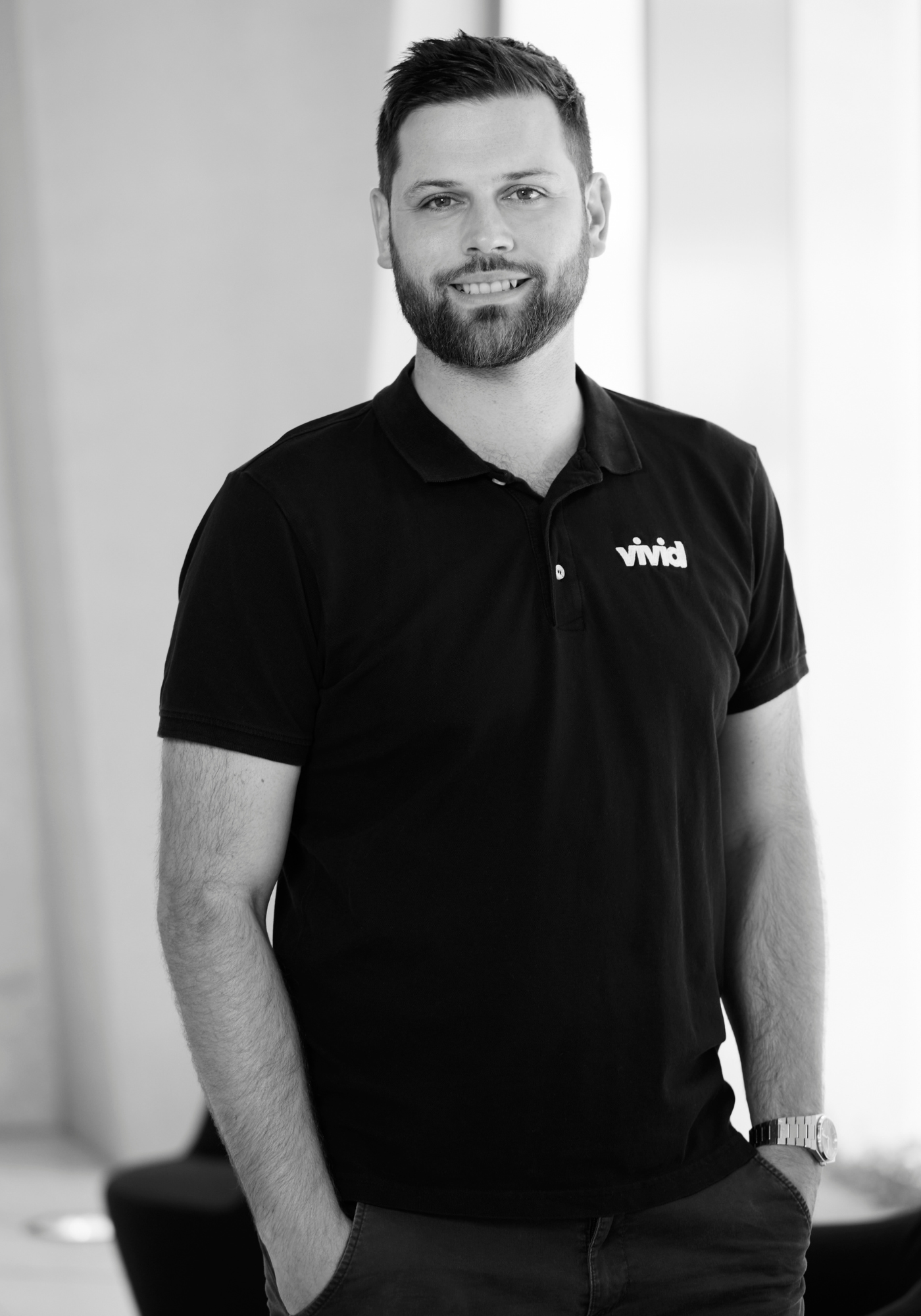
Man standing in a black polo shirt, smiling in a black-and-white portrait.

About the Author


Nick Koop, Director


With more than 11 years of recruitment experience, Nick specialises in engineering recruitment across Australia. He has built strong relationships with everyone from boutique consultancies and start-ups through to global engineering firms, earning a reputation for honesty, transparency and doing what he says he'll do.


Born and bred in Melbourne, Nick spends most weekends watching sport, chasing after his young kids, Louey and Odie, or finding an excuse to support a local pub with a well-earned pint.


Contact Nick


Want to discuss your next engineering hire? Give Nick a buzz or drop him a line via:


📲 0426 180 254

📧 nick@vividrecruitment.com.au


You can also connect with Nick on LinkedIn or follow the Vivid Recruitment LinkedIn page for more industry insights, news, jobs and general chit chat and tips!

With more than a decade in recruitment, I've seen plenty of things that can derail a job opportunity before it even gets off the ground.Frequently Asked Questions


One of the most common?


A candidate being represented by multiple recruiters without realising it.


It happened recently. I sent a candidate's CV to a client and was told they'd already received the same person's details from another recruiter.


The strange part was that the candidate had no idea they had already been submitted.


It sounds harmless enough, but situations like this can create genuine problems for candidates. In some cases, it can cost them an opportunity altogether.


If you're considering a move in engineering, architecture, planning or construction, this is one of those simple things worth understanding before you start speaking with recruiters.


What Is Double Representation?


Double representation happens when two recruiters submit the same candidate to the same employer.


Sometimes it's accidental.


Sometimes a candidate has spoken to several recruiters and lost track of who is representing them where.


And sometimes, if we're being honest, recruiters submit CVs without properly communicating what they're doing.


Most candidates assume they'll be told exactly where their details are being sent.


Unfortunately, that isn't always the case.


Why Double Representation Can Be a Problem


From a candidate's perspective, it might seem like more recruiters means more exposure.


In reality, multiple submissions can create confusion and complications.


You Could Be Removed From Consideration


Some employers have strict policies around candidate ownership.


If they receive the same CV from two different recruiters, they may decide not to proceed until the dispute is resolved.


In some cases, they simply move on to another candidate.


Nobody wants to lose an opportunity because of an administrative headache.


It Creates Confusion About Who Represents You


Recruitment works best when everyone knows where they stand.


If multiple recruiters claim ownership of a candidate, conversations can become messy quickly.


The employer doesn't know who to communicate with.


Recruiters start asking questions.


The candidate is left trying to piece together what happened.


It's avoidable, but it happens more often than people realise.


Your CV Can End Up Somewhere Unexpected


This is the part that catches many people off guard.


Let's say you're working in a consultancy and quietly exploring the market.


If your CV lands on the desk of a manager, colleague, client or industry contact without your knowledge, that can lead to some awkward conversations.


The engineering and construction sectors across Australia are smaller than people think.


Relationships overlap.


People move companies.


Word travels.


That's why candidates should always know exactly where their information is being sent.


It Can Make You Look Disorganised


Fair or not, employers sometimes view multiple submissions as a sign that a candidate isn't managing their search effectively.


The reality may be completely different.


You might have done nothing wrong.


But perception matters.


A hiring manager seeing the same CV arrive from multiple sources can start asking questions about communication and professionalism.


The Questions Every Candidate Should Ask a Recruiter


This is where a little diligence goes a long way.


Before agreeing to have your CV submitted anywhere, ask a few simple questions:

  • Which company are you representing me to?
  • Which office, team or hiring manager is involved?
  • Have you already submitted my details?
  • Can you confirm with me before sending my CV anywhere?


A good recruiter won't have any issue answering these questions.


In fact, they should welcome them.


Transparency should be the standard, not a special feature.


Treat Your Job Search Like a Project


The best candidates I work with tend to approach their job search the same way they'd manage a project.


They keep notes.


They track conversations.


They know who they've spoken to and where they've been represented.


You don't need a complex spreadsheet or project management software.


A simple list on your phone works perfectly well.


Keep track of:

Information to Track Why It Matters
Company name Avoid duplicate applications
Recruiter name Know who's representing you
Date submitted Track progress and follow-ups
Hiring manager/team Understand where opportunities sit
Interview status Stay organised during multiple processes

Five minutes of organisation can save weeks of confusion.


Not All Recruiters Work the Same Way


This is probably worth saying.


Most recruiters genuinely want to do the right thing by candidates.


The vast majority work hard, communicate well and build long-term relationships based on trust.


But like any industry, there are exceptions.


That's why candidates should take ownership of their career decisions.


Your career is too important to leave entirely in someone else's hands.


A recruiter should be a trusted advisor and advocate, not someone making decisions on your behalf without your knowledge.


Our Approach at Vivid


At Vivid, we keep things pretty simple.


We don't send CVs anywhere without having a conversation first.


We tell candidates exactly who we're speaking to, why we think the opportunity is worth considering and what happens next.


No smoke and mirrors.


No surprises.


Just honest communication.


It sounds obvious, but you'd be amazed how much easier recruitment becomes when everyone is working from the same page.


Final Thoughts


If you're working with multiple recruiters, don't assume everyone is communicating as clearly as they should be.

Ask questions.


Keep track of where you're being represented.


Get confirmation before your CV is sent anywhere.


A little bit of diligence upfront can prevent missed opportunities, awkward conversations and unnecessary headaches later.


And if a recruiter doesn't want to tell you where they're sending your CV?


That's probably an answer in itself.


Frequently Asked Questions


Can two recruiters submit me to the same company?

Yes. It happens regularly, particularly when candidates are speaking with multiple recruiters. The problem is that duplicate submissions can create confusion and, in some cases, jeopardise an opportunity.


Should a recruiter tell me where they're sending my CV?

Absolutely. Candidates should know exactly which company, team or hiring manager their details are being sent to before any submission takes place.


What happens if I'm double-represented?

The outcome depends on the employer. Some companies will investigate who submitted you first. Others may pause the process until ownership is resolved. Occasionally, they may move on to another candidate entirely.


How can I avoid double representation?

Keep a record of where you've applied and ask recruiters to confirm before they submit your details. Clear communication is the easiest way to avoid issues.


Chalk words “FACTS” above crossed-out “MYTHS” on a blackboard background.
By Lee Stevens May 20, 2026
About the Author Lee Stevens, Director Lee has over 15 years of local and international recruitment experience across Architecture, Interiors, and Planning. Having worked with boutique studios through to large international consultancies, he’s built a reputation for honest advice, straightforward communication, and long-term relationships across the industry. Based in Melbourne, Lee is also a proud dad, sports fanatic, football coach, and someone who genuinely enjoys seeing good people build meaningful careers in architecture and design. Contact Lee Want to discuss your next role? Contact Lee Stevens , Principal Recruitment Consultant, Architecture & Design - 📲 0406 470 020 📧 lee@vividrecruitment.com.au You can also connect with Lee on LinkedIn or follow the Vivid Recruitment LinkedIn page for more industry insights, news, jobs and general chit chat and tips!
Brisbane riverfront skyline with colorful sign, green lawn, and clear blue sky
By Vivid Recruitment May 6, 2026
About the Authors Nick Koop Director (Building Services Engineering) Nick specialises in building services recruitment across Australia, with a focus on mechanical, electrical, and fire engineering. He works closely with consultancies delivering major healthcare, infrastructure, and commercial projects, and has a strong track record placing senior engineers into technically demanding roles. Known for being straight-up and reliable, Nick spends most of his time in the detail, not the sales pitch. Lee Stevens Director (Architecture & Design) Lee is one of the founders of Vivid Recruitment and focuses on architecture and design studios across Australia. With years of experience working closely with directors and senior hires, he’s built long-term relationships based on trust and consistency. Lee’s approach is simple: understand what a business actually needs, cut out the noise, and get the right people in place without the usual recruitment carry-on. Contact Nick and Lee Nicholas Koop , Principal Recruitment Consultant, Engineering & Planning - 📲 0426 180 254 📧 nick@vividrecruitment.com.au Lee Stevens , Principal Recruitment Consultant, Architecture & Design - 📲 0406 470 020 📧 lee@vividrecruitment.com.au You can also connect with Lee on LinkedIn and Nick on LinkedIn or follow the Vivid Recruitment LinkedIn page for more industry insights, news, jobs and general chit chat and tips!
Three chairs on a dark stage, with one bright pink chair standing out
By Lee Stevens April 29, 2026
Understand key factors for getting hired in architecture & design. Improve your chances today!
Black question mark on a yellow background with a soft shadow
By Lee Stevens April 24, 2026
About the Author Lee Stevens, Director Lee has over 15 years’ experience across Architecture, Design, and Planning, working with boutique studios through to global consultancies. He’s built his network on straight-talking advice and long-term relationships, not sales tactics. Originally from the UK, Lee moved to Melbourne in 2014 and now balances recruitment with family life, coaching football, and keeping up with his kids and their very energetic cocker spaniel. Contact Lee Want to discuss your next role? Contact Lee Stevens , Principal Recruitment Consultant, Architecture & Design - 📲 0406 470 020 📧 lee@vividrecruitment.com.au You can also connect with Lee on LinkedIn or follow the Vivid Recruitment LinkedIn page for more industry insights, news, jobs and general chit chat and tips! If you’ve got an interview coming up and want a straight answer on how to approach it, reach out. No fluff. Just honest advice.
A person in a superhero costume with a red mask and cape, looking into the distance with a surprised expression.
By Nick Koop April 22, 2026
About the Author Nick Koop, Director With over 11 years in recruitment, Nick has worked closely with engineering professionals across Australia, from small consultancies to global firms. He’s built his approach on honesty, consistency, and actually listening to what people want, not just what’s on paper. Melbourne born and bred, Nick’s usually either following sport, chasing his kids around, or finding a decent spot for a quiet pint. He’s a long-suffering North Melbourne supporter, which probably says enough about his resilience. Contact Nick Want to discuss your next engineering hire? Give Nick a buzz or drop him a line via: 📲 0426 180 254 📧 nick@vividrecruitment.com.au You can also connect with Nick on LinkedIn or follow the Vivid Recruitment LinkedIn page for more industry insights, news, jobs and general chit chat and tips! Want Better Interview Advice That’s Actually Useful? If you’re preparing for a move in engineering, planning, or construction and want straight answers, reach out. No scripts. No fluff. Just a proper conversation.
A person with curly hair wearing a yellow sweater, holding their head with both hands while laughing against a yellow wall.
By Nick Koop April 15, 2026
Nick Koop from Vivid Recruitment breaks down why delivery and communication are starting to outweigh polished credentials in engineering interviews — and what candidates can do about it.
A person with a beard in a bright blue suit holds a megaphone to their mouth against a solid pink background.
By Nick Koop March 30, 2026
The Australian engineering market is shifting. Victoria is stabilising and Brisbane is booming. Here's what candidates and employers need to know right now.
A white, oval speech bubble featuring the word
By Lee Stevens March 29, 2026
Rejection is one of the hardest parts of recruitment—but how it’s handled can define your reputation. Clear, honest feedback not only helps candidates improve but strengthens long-term relationships. In competitive markets like Melbourne, where strong candidates often miss out, thoughtful communication turns a negative moment into a positive, lasting impression.
A person sitting on a sofa using a laptop with a dog sitting beside them against a blue background.
By Vivid Recruitment March 22, 2026
Flexible working has become a core part of the modern workplace across architecture , planning and engineering . For many professionals, the ability to work from home offers clear benefits . Less commuting, more control over the day and better balance around personal commitments. But there is another side to the conversation that is starting to gain more attention. Loneliness. Recent insights shared by Michelle Lim, psychologist and CEO of Ending Loneliness Together via ABC News , highlight that loneliness is more common than many people realise. Nearly one in three Australians experience loneliness at any given time, with a significant number feeling this on an ongoing basis. For professionals working in architecture studios, planning consultancies and engineering teams, this can have a real impact. Why Loneliness Matters at Work Loneliness is not just a personal issue. It can affect how people perform and engage at work. According to Michelle Lim, feeling disconnected can lead to: lower motivation reduced creativity increased likelihood of illness In industries like architecture, planning and engineering, where collaboration and creativity are central, this can be particularly challenging. Why Remote Work Can Increase Isolation Flexible working has clear advantages, but it can also remove many of the small interactions that make a working day feel connected. In a studio environment, these moments happen naturally: quick conversations across desks informal design discussions shared problem solving social interaction throughout the day When working remotely, these moments often disappear. Research from Dinethi Yasodara Jayarathna at the University of South Australia highlights common experiences among hybrid workers: feeling overlooked in meetings missing out on informal conversations a sense of being disconnected from the team For graduates and junior staff, this can be even more pronounced. The Challenge for Architecture, Planning and Engineering Studios This creates a balancing act for studio leaders. On one hand, candidates increasingly expect flexibility. On the other, the work itself relies on: collaboration mentoring shared learning strong team relationships It is not simply a question of allowing work from home. It is about how teams stay connected while working flexibly . What Actually Helps Reduce Loneliness at Work The good news is that small, consistent actions can make a meaningful difference. 1. Regular and Meaningful Check Ins Quick messages are not always enough. Scheduled check ins, whether by phone or video, help maintain real connection. Even a short 10 minute conversation can boost energy and engagement. 2. Virtual Social Moments Simple ideas such as virtual coffees or informal chat groups can recreate some of the social aspects of studio life. It does not need to be forced or overly structured. The goal is to create space for casual interaction. 3. Coordinated Studio Days For architecture, planning and engineering teams, time together in the studio still matters . Coordinating in office days allows for: design reviews mentoring team connection social interaction This is often where hybrid working works best. 4. Structured Mentoring Graduates and junior professionals benefit from regular access to senior staff. Studios can support this through: scheduled mentoring sessions regular design or project reviews clear development pathways This helps reduce the feeling of being overlooked or disconnected. 5. Encouraging Breaks and Boundaries Working from home can blur the line between work and personal life. Encouraging people to step away from their desk, take breaks and reset during the day is simple but effective. 6. Connection Beyond Work Not all connection needs to come from the workplace. Strong relationships outside of work can help balance periods of isolation during remote working. Flexibility Still Matters, But So Does Connection Flexible working is not going anywhere. For professionals in architecture, planning and engineering, it remains a key factor when choosing a role. However, this conversation is evolving. It is no longer just about where people work. It is about how people feel when they work . Studios that focus on both flexibility and connection are more likely to build engaged, motivated and high performing teams. The Takeaway for Employers and Candidates For employers: Flexibility needs to be supported with intentional collaboration, mentoring and communication. For candidates: It is worth considering not just how often you can work from home, but how connected you will feel to your team. At Vivid Recruitment, we are seeing these conversations happen more frequently across architecture, planning and engineering practices. The most successful teams are not choosing between flexibility and connection. They are finding ways to make both work together. Speak with the Team Need help with your career or talent? Get in touch with our guys to help you out. Nicholas Koop , Principal Recruitment Consultant, Engineering & Planning - 📲 0426 180 254 📧 nick@vividrecruitment.com.au Lee Stevens , Principal Recruitment Consultant, Architecture & Design - 📲 0406 470 020 📧 lee@vividrecruitment.com.au You can also connect with Lee on LinkedIn and Nick on LinkedIn or follow the Vivid Recruitment LinkedIn page for more industry insights, news, jobs and general chit chat and tips! Vivid Recruitment - Your specialist partner in: Architecture & Interior Design Recruitment | Urban Design & Planning Recruitment | Mechanical Engineering Recruitment | Electrical Engineering Recruitment | Structural Engineering Recruitment | Civil Engineering Recruitment | Acoustic Engineering Recruitment | Hydraulic Engineering Recruitment | ESD / Sustainability Engineering Recruitment | Fire Engineering Recruitment
A person in a striped shirt holds an open notebook with the words
By Vivid Recruitment March 16, 2026
Flexible working is changing across architecture, planning and engineering studios. Explore practical ways practices can compete for talent beyond work from home.