The Biggest Hiring Myths in Architecture & Interiors Right Now
About the Author
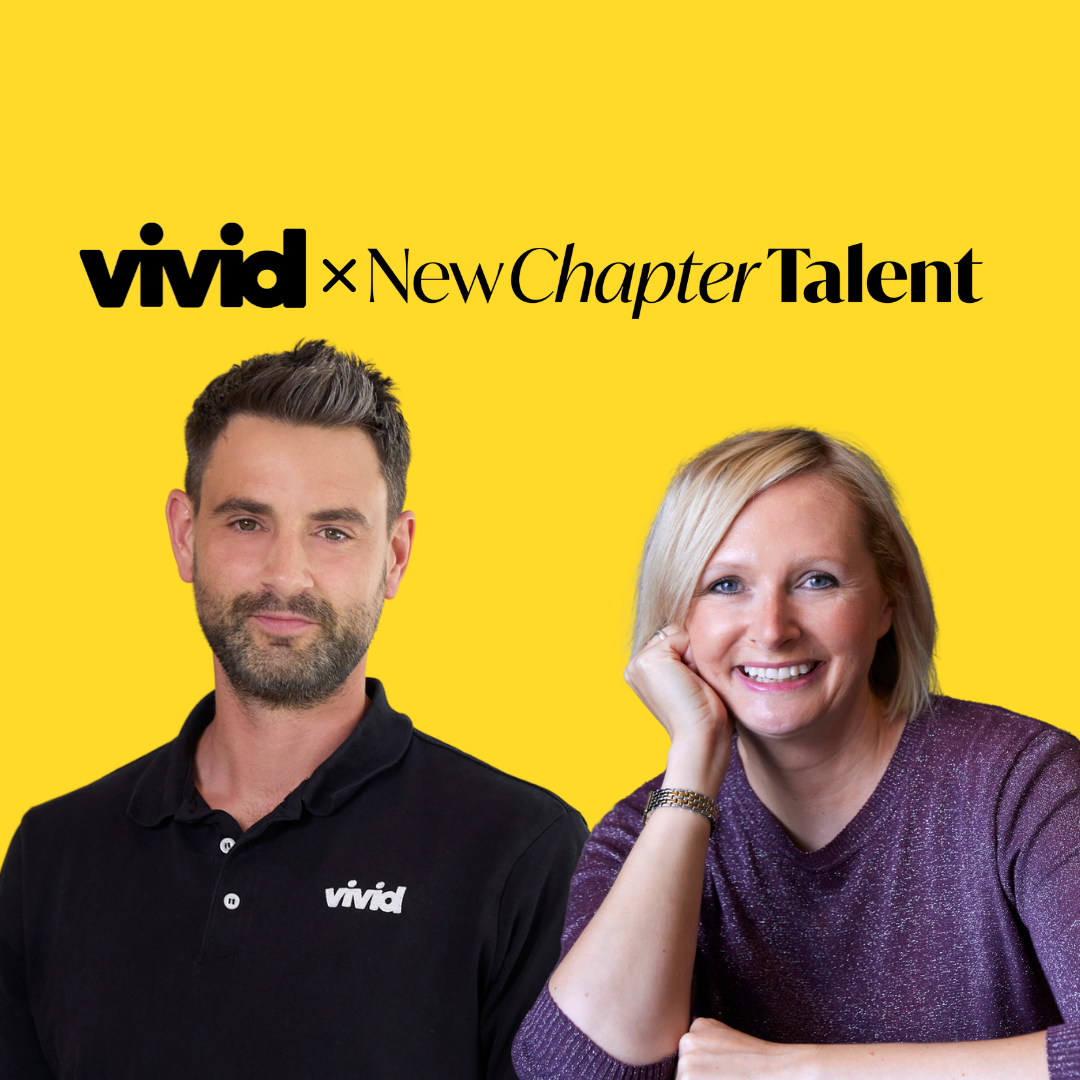
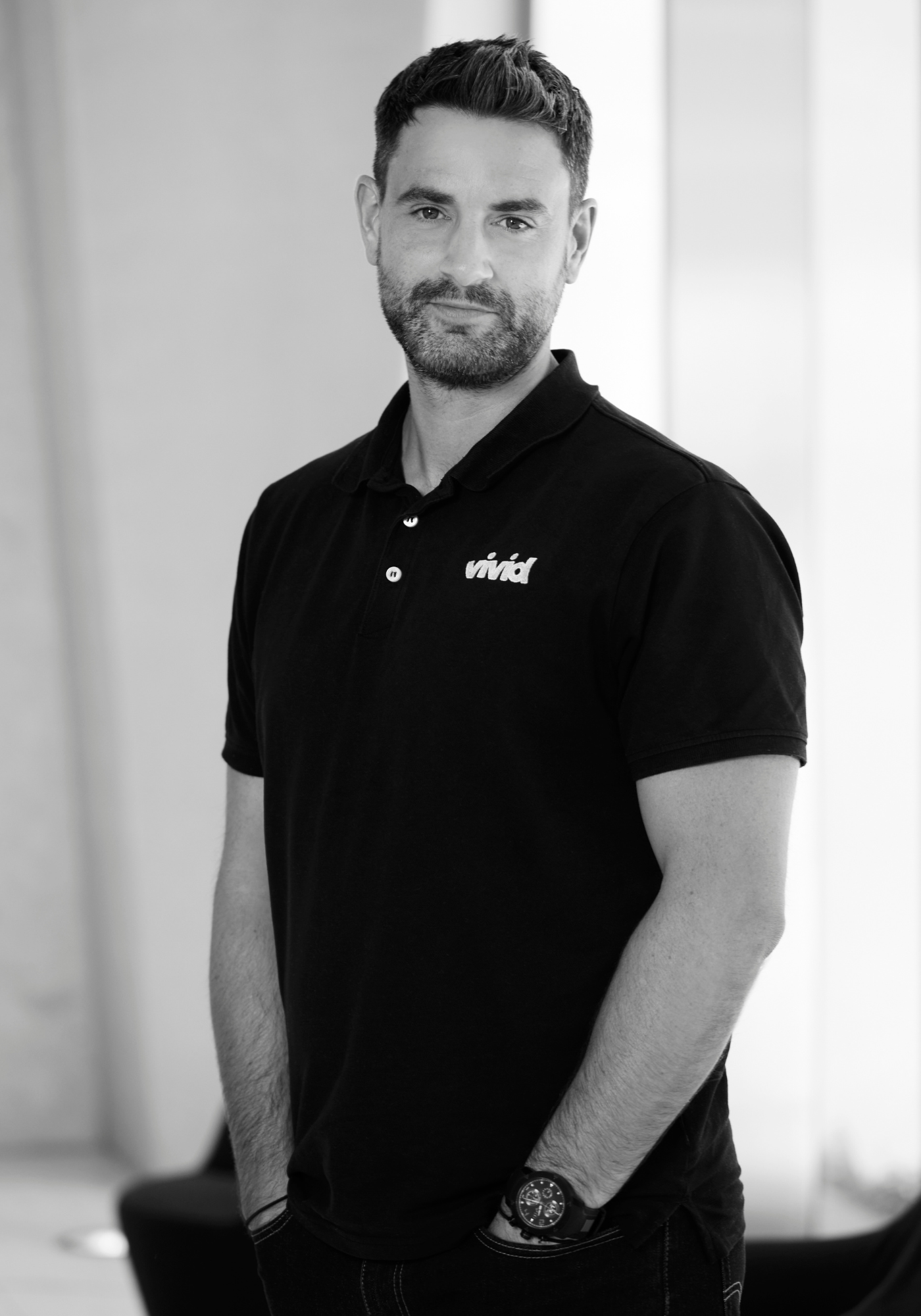
Lee Stevens, Director
Lee has over 15 years of local and international recruitment experience across Architecture, Interiors, and Planning. Having worked with boutique studios through to large international consultancies, he’s built a reputation for honest advice, straightforward communication, and long-term relationships across the industry.
Based in Melbourne, Lee is also a proud dad, sports fanatic, football coach, and someone who genuinely enjoys seeing good people build meaningful careers in architecture and design.
Contact Lee
Want to discuss your next role?
Contact Lee Stevens, Principal Recruitment Consultant, Architecture & Design -
You can also connect with Lee on LinkedIn or follow the Vivid Recruitment LinkedIn page for more industry insights, news, jobs and general chit chat and tips!
There’s a lot of recycled advice floating around the architecture and interiors industry...
“Just hire passionate people.”
“Exciting projects attract great candidates.”
“Good portfolios speak for themselves.”
After years recruiting across architecture and design, we can tell you confidently: a lot of it’s rubbish.
The market has changed. Candidates have changed. And honestly, some studios are still hiring like it’s 2018.
We’re seeing strong businesses miss good people for reasons that are completely avoidable. At the same time, we’re seeing candidates misunderstand what studios are actually looking for.
So here are a few of the biggest hiring myths we keep seeing across architecture and interiors right now.
Not theory. Just observations from being in the market every day.
Myth #1: “Exciting Projects Make Up For Lower Salaries”
This one comes up constantly.
A studio has genuinely great work:
- high-profile projects
- strong design reputation
- good clients
- impressive pipeline
But the salary’s light.
And somewhere in the process, the assumption becomes:
“The projects will sell it.”
Sometimes they do.
Usually at graduate or junior level where people are chasing exposure, mentorship, and project experience.
But once candidates hit mid-level, things change quickly.
→ People have mortgages.
→ Rent.
→ Kids.
→ Pressure.
“Exciting projects” still matter. Of course they do.
But they’re rarely enough on their own anymore.
The best mid-career candidates know their value, and they’re far more commercially aware than they were five years ago. If the salary is noticeably under market, most people spot it immediately.
And honestly, trying to dress up a low salary package with vague promises about “future opportunities” usually backfires.
Candidates can smell that stuff a mile away.
The studios hiring well at the moment are generally the ones being upfront early:
- here’s the salary
- here’s the progression
- here’s what the role actually is
- here’s what we can realistically offer
Simple. Clear. No performance.
That goes a long way.
Myth #2: “A Strong Portfolio Guarantees Interviews”
Not anymore.
A great portfolio absolutely helps. It should.
But we’ve seen candidates with technically brilliant portfolios struggle to progress, while others with less polished work move quickly through processes.
Why?
Because studios aren’t just assessing design ability.
They’re assessing:
- communication
- clarity
- self-awareness
- commercial understanding
- attitude
- whether the team can actually work with you day-to-day
One of the biggest mistakes candidates make is assuming visuals alone are enough.
They’re not.
Hiring managers want context.
They want to understand:
- what your actual involvement was
- how you think
- how you solve problems
- how you communicate decisions
- how you handle feedback and constraints
A beautifully presented portfolio with no clarity around your role often creates more questions than confidence.
And honestly, some candidates overcomplicate things trying to sound “architectural”.
The strongest interviews are usually the clearest ones.
Not the most rehearsed.
Myth #3: “Studios Only Hire Based On Technical Skills”
This is probably one of the biggest misconceptions in the market right now.
Especially at junior and mid-level.
Most studios assume technical skills can be taught over time.
What’s much harder to teach is:
- reliability
- communication
- emotional intelligence
- adaptability
- professionalism
- self-awareness
We’ve seen candidates miss opportunities not because they lacked software capability, but because communication felt difficult throughout the process.
→ Slow replies.
→ Missing interviews.
→ Vague answers.
→ Poor follow-up.
Small things matter.
Architecture and interiors are still relationship-driven industries. Teams work closely together under pressure for long periods of time.
Studios are constantly asking themselves:
“Can we trust this person with clients, consultants, deadlines, and our team culture?”
That’s the real interview happening underneath the technical assessment.
And the candidates who understand that usually stand out quickly.
Myth #4: “Graduates Should Start With Recruiters”
This one surprises people sometimes.
But honestly? Most graduates should focus on going direct.
At graduate level, many studios hire without recruiters because fee structures simply don’t make commercial sense for entry-level roles.
→ That’s not personal.
→ It’s just reality.
The strongest graduate candidates usually:
- research studios properly
- send thoughtful direct applications
- tailor portfolios carefully
- follow up professionally
- stay persistent without becoming annoying
That groundwork matters far more than firing the same generic CV to twenty recruiters.
Once someone builds 12-18 months of local experience, the conversation changes completely.
That’s normally when recruiters become genuinely valuable.
Before then, candidates are usually better off building visibility and relationships directly within the industry.
Myth #5: “Culture Fit” Means Hiring Similar Personalities
This one gets misunderstood a lot.
Good culture fit doesn’t mean:
- everyone behaves the same
- everyone has the same personality
- everyone works identical hours
- everyone socialises together
The strongest teams are usually balanced.
→ Different personalities.
→ Different strengths.
→ Different communication styles.
What studios are actually looking for most of the time is:
- trust
- accountability
- consistency
- collaboration
- low ego
- people who make the environment better, not harder
And candidates are assessing culture much more critically now too.
Especially post-COVID.
The old:
“We’re like a family here”
line doesn’t land the same way anymore.
Most candidates don’t expect perfection.
But they do want:
- clarity
- good leadership
- realistic expectations
- flexibility where possible
- stability
- decent communication
The studios retaining good people long-term are generally the ones creating environments that feel sustainable.
Not performative.
Myth #6: “Long Hiring Processes Lead To Better Decisions”
Sometimes the opposite.
We’re seeing good candidates lost because businesses overcomplicate hiring.
→ Too many interviews.
→ Long gaps between stages.
→ Unclear timelines.
→ Different decision-makers pulling in different directions.
Meanwhile, stronger candidates are often moving quickly elsewhere.
The studios securing good people right now usually aren’t the flashiest.
They’re just decisive.
→ They communicate properly.
→ They move with intent.
→ They respect candidates’ time.
→ They know what they’re looking for.
That confidence matters.
Because long, messy processes often create doubt:
"If hiring feels this disorganised… what’s the business actually like internally?”
Candidates absolutely think about that.
Especially experienced ones.
The Market’s Changed. Candidates Have Too.
One thing that’s become very obvious over the last few years:
Candidates are asking far better questions now.
They’re assessing:
- leadership
- team stability
- project pipeline
- flexibility
- progression
- retention
- workload
- communication
Not just salary.
And honestly, that’s probably healthy for the industry.
The best hiring processes today feel straightforward, transparent, and human.
→ No corporate theatre.
→ No recruitment fluff.
→ No trying to “sell” people into something that isn’t there.
Just honest conversations about:
- the work
- the expectations
- the challenges
- the opportunity
That’s usually where the best long-term hires happen.